About
Early Life & Values
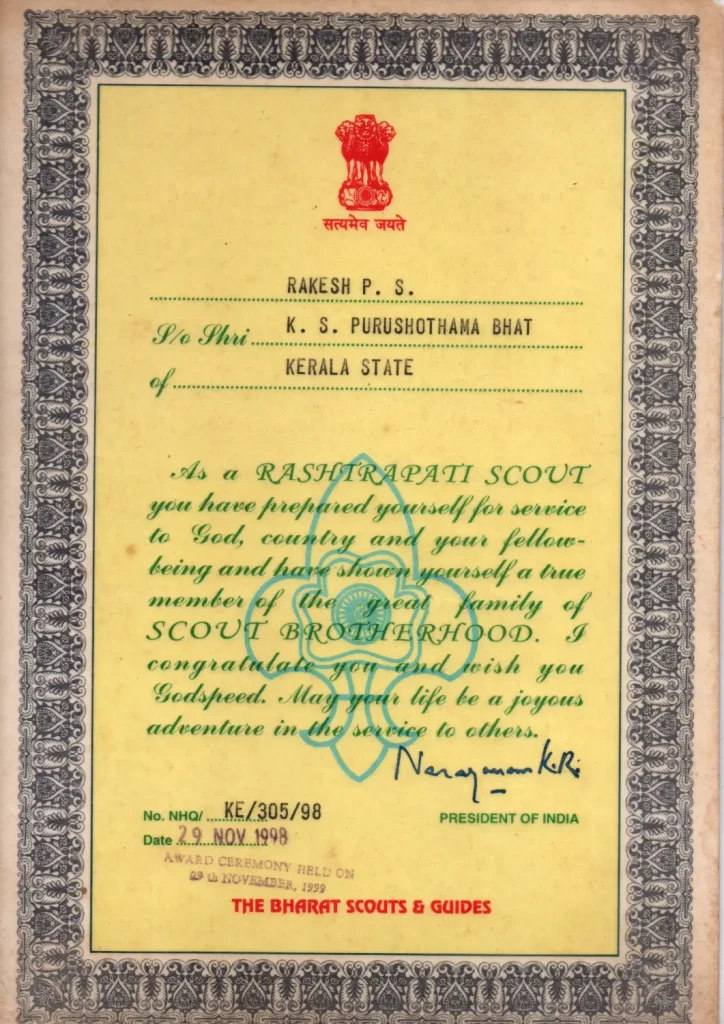
"Let your life be a joyous adventure in the service to others"
Dr. Rakesh PS is an Indian health systems leader, infectious disease epidemiologist, implementation researcher, author, mentor, and public health strategist whose work focuses on designing community-centered public health solutions and translating evidence into scalable health system transformation.
His journey into public health began long before medicine became a profession. Growing up, he was deeply influenced by his father, a government doctor who served rural and underserved communities, often working in challenging settings with limited resources. Watching healthcare delivered not merely as treatment, but as a form of social responsibility shaped his understanding of medicine as a commitment to people, communities, and equity.
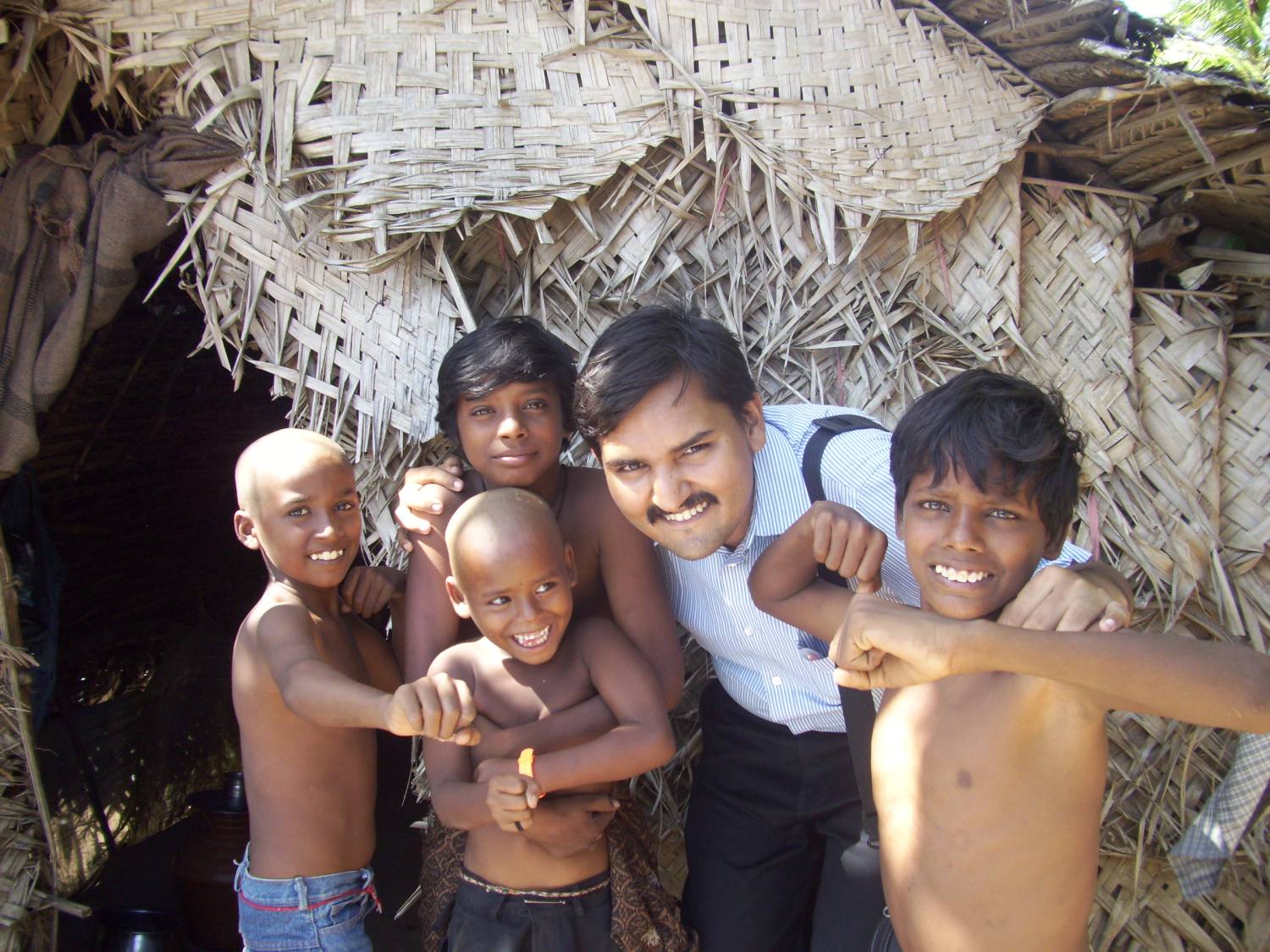
Alongside his father, he was also closely associated with the care and rehabilitation of destitute individuals and persons with mental illness through Ashraya Sanketham, a community-based rehabilitation initiative. These early experiences provided first-hand exposure to human vulnerability, social exclusion, and the transformative role that compassion, dignity, and community support can play in people’s lives. Together, these experiences helped shape the values that would later define his approach to public health and service.
Let your life be a joyous adventure in the service to others
As a student, he developed wide-ranging interests extending beyond academics. He actively participated in science fairs, public speaking, quiz competitions, essay writing, and cultural activities. He regularly presented projects at state-level and South Indian science fairs and participated in diverse events ranging from Sanskrit drama and Kannada recitation to Kadhaprasangam competitions. These experiences nurtured curiosity, communication skills, confidence, and interdisciplinary thinking from an early age, laying the foundation for his later interests in research, public health, and systems thinking.
His formative years were also shaped by active involvement in youth leadership and service movements through Bharat Scouts and Guides, All Kerala Balajana Sakhyam, and Y’s Men International. He later served as Area Youth Representative of the India Area of Y’s Men International and held leadership roles in All Kerala Balajana Sakhyam.
A defining moment in his early life came when he received the prestigious Rashtrapati Scout Award from the President of India in recognition of service rendered through scouting and youth leadership. The message associated with the award—”Let your life be a joyous adventure in the service to others”—became a guiding philosophy that continues to influence both his professional work and personal values.
Medical Education & Student Leadership
Dr. Rakesh completed his MBBS training from Government Medical College, Thiruvananthapuram. During his undergraduate years, he became actively involved in student leadership, social advocacy, and medical community engagement. He served as Secretary and later President of the Kerala Medicos Association, advocating on issues related to medical education quality, professional development, and student welfare. He also convened the 23rd Inter Medicos Festival, one of Kerala’s major academic and cultural gatherings for medical students.
Shortly after completing MBBS and before commencing postgraduate medical training, he chose to conduct his marriage ceremony in an old-age home—a decision that reflected his belief that dignity, inclusion, and social solidarity should remain central not only to public health, but also to personal life.
He subsequently joined Christian Medical College, Vellore, for postgraduate training in Community Medicine, an experience he often describes as transformative in shaping both the epidemiologist and health systems thinker in him. Exposure to field epidemiology, community health realities, social determinants of disease, and evidence-based public health practice deepened his commitment to implementation-oriented public health work.
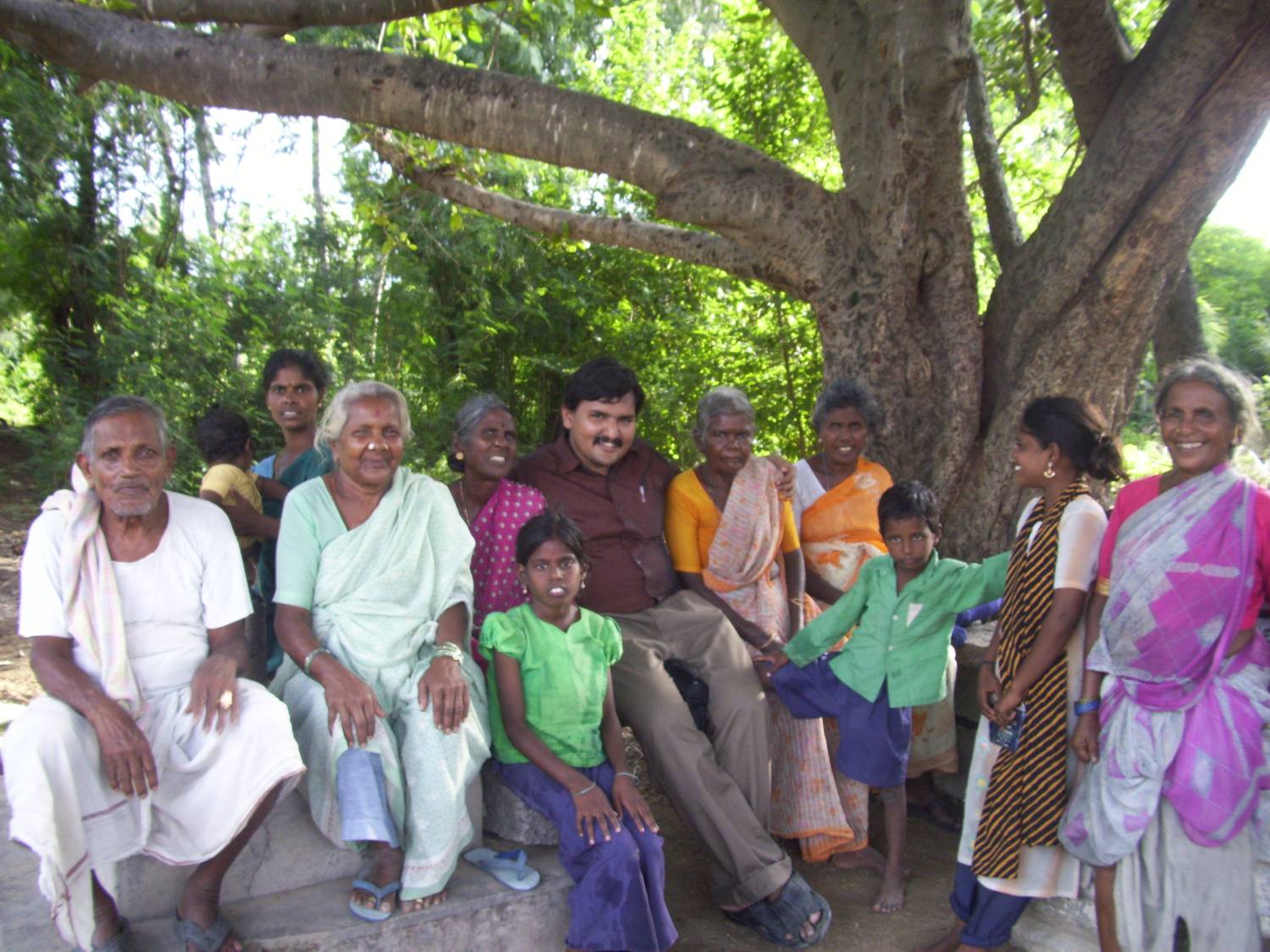
During his years in Vellore, Dr. Rakesh became known among many patients for a simple philosophy: “Healing with hands and a smile.” One of the patient relationships formed during that period continues to this day. Every year after Pongal, a former patient travels several miles to personally deliver a packet of traditional sweets prepared by his mother—a gesture that Dr. Rakesh considers among the most meaningful recognitions he has received.
He graduated as the Best Outgoing Postgraduate Student and received the Dr. Kesavalu Endowment Gold Medal from The Tamil Nadu Dr. M.G.R. Medical University for securing first rank in Community Medicine. These recognitions reflected not only academic excellence, but also leadership, service, and a commitment to public health practice.
Field Epidemiology & Public Health Response
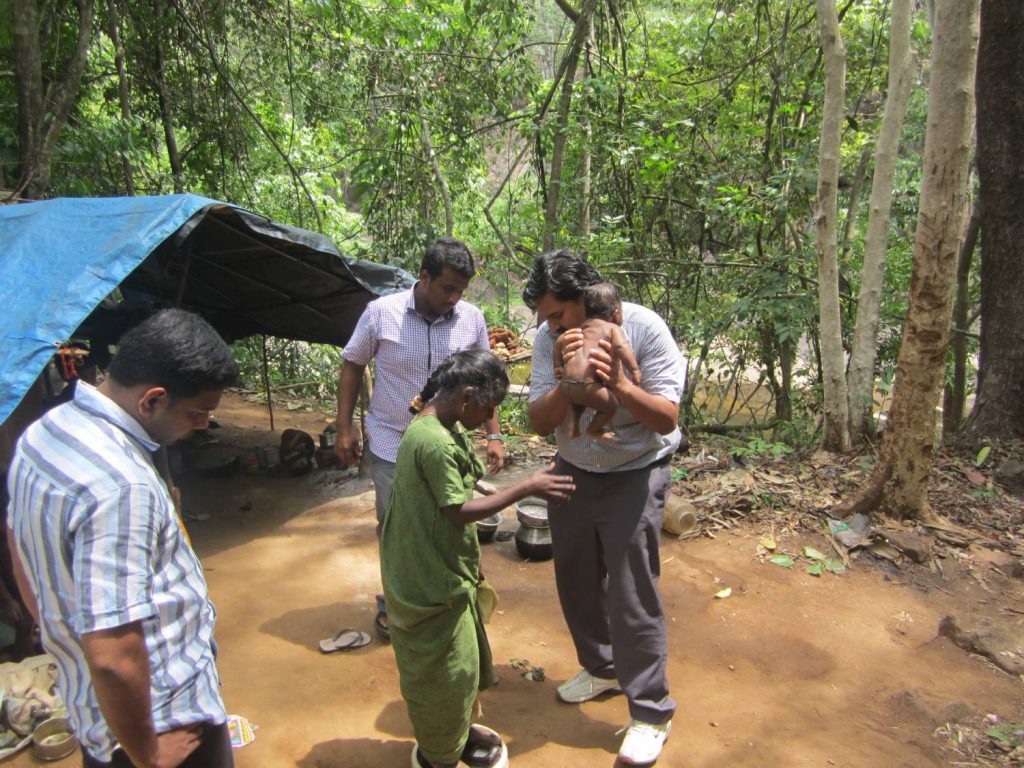
Dr. Rakesh’s early professional years were spent as District Epidemiologist under the National Health Mission in Kollam, his home district. Despite the modest remuneration associated with the position, he deliberately chose the role because it offered an opportunity to work closely with communities and strengthen public health systems at the grassroots level in the place where he had grown up.
The years that followed immersed him in intensive field epidemiology, disease surveillance, and outbreak response. He investigated and contributed to the containment of more than twenty infectious disease outbreaks, including hepatitis A, dengue, malaria, hepatitis B, and other communicable disease events. Working closely with local governments, laboratories, healthcare institutions, and communities, he coordinated district-wide surveillance activities and strengthened systems for outbreak detection, investigation, and response. Several of his outbreak investigations and epidemiological reports were subsequently used as training material for public health professionals and postgraduate students.
His field investigations often extended beyond disease detection to identifying systemic failures and environmental risks that threatened population health. Based on evidence generated through epidemiological investigations and public health assessments, the District Administration issued prohibitory orders under Section 144 on multiple occasions, including actions related to unsafe drinking water sources and deficiencies in infection prevention and control practices in healthcare facilities, laboratories, and dental clinics. These interventions contributed to the prevention of larger public health crises and reinforced the role of evidence-informed decision-making in public administration.
The experience of working at the frontline of public health emergencies shaped his understanding of how health systems function under real-world constraints. His expertise in surveillance, outbreak response, and emergency coordination was subsequently utilized during several major public health emergencies in Kerala, including large hepatitis A outbreaks, the devastating floods of 2018, the Nipah outbreak, and the COVID-19 pandemic. During these periods, he contributed to strengthening surveillance systems, supporting outbreak investigations, developing technical guidance, and coordinating public health response activities. He received multiple appreciations from the Government of Kerala in recognition of his contributions to infectious disease surveillance, outbreak prevention, disaster response, and emergency public health coordination.
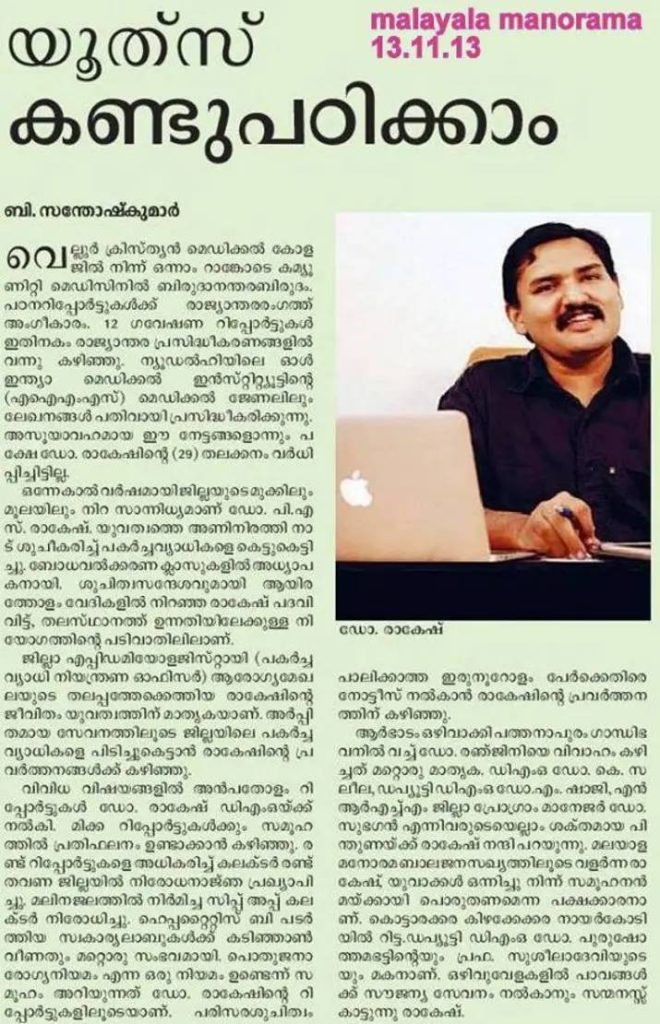
During this phase of his career, he was featured as a “Youth Icon” by Malayala Manorama in recognition of his contributions to public health, community engagement, and social service.
Alongside field epidemiology and public health response work, Dr. Rakesh remained deeply committed to health education and public communication. His community health education book Arivu Arogyam Jeevitham, which promoted healthy lifestyle practices among school children, reached more than 40,000 children through schools, libraries, and community dissemination initiatives across Kerala. The book later inspired health clubs, competitions, school skits, and health literacy activities, laying the foundation for his continuing interest in translating public health knowledge into community action.
"Outbreak investigations taught me that sustainable disease control depends not only on identifying pathogens, but on understanding people, systems, and communities."
Public–Private Partnerships & Public Health Leadership
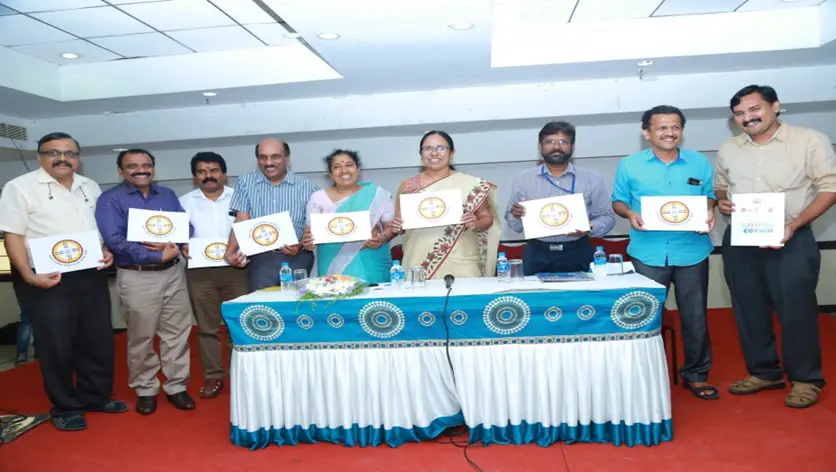
Recognizing the need to move beyond outbreak response and contribute to long-term health systems strengthening, Dr. Rakesh later joined the Indian Medical Association as Technical Consultant for strengthening public–private partnerships in tuberculosis control under a Global Fund-supported initiative.
During this period, he worked extensively with private healthcare providers across Kerala to improve standards of tuberculosis diagnosis, treatment, notification, and patient support. He trained more than 10,000 doctors on standardized tuberculosis care practices and helped establish formal collaboration mechanisms with nearly 400 peripheral private healthcare institutions, significantly strengthening private-sector participation in tuberculosis control and public health programs.
Alongside tuberculosis control efforts, he led implementation of the World Health Organization-endorsed Practical Approach to Lung Health (PAL) project in Kerala. The initiative demonstrated substantial reductions in irrational antibiotic use, unnecessary injections, and inappropriate prescriptions, while improving patient quality of life and standardizing respiratory care practices. Based on its success, the model was subsequently scaled up across the state.
His contributions to integrated respiratory care led to his involvement as an expert contributor to a World Health Organization policy brief on the integration of tuberculosis and lung health services, reflecting growing recognition of his work at national and international levels.
For a brief period, Dr. Rakesh served as faculty at Amrita Institute of Medical Sciences, Kochi, where he was involved in teaching, mentoring, research, and public health program development. He served as Course In-Charge for the Master of Public Health programme and co-developed the Executive MPH curriculum, designed to strengthen practice-oriented public health leadership among working professionals.
During this phase, he also became actively involved in urban public health movements in Kochi. He played an important role in the TB Free Kochi movement and the Unite for Healthy Ernakulam campaign, which brought together government systems, private healthcare providers, professional bodies, civil society organizations, and communities under a shared platform for coordinated public health action.
In recognition of his contributions to medicine, public health, and community leadership at a young age, he received the Outstanding Young Doctor Award from the Indian Medical Association.
Harvard & Thinking Beyond Boundaries
Harvard & Thinking Beyond Boundaries
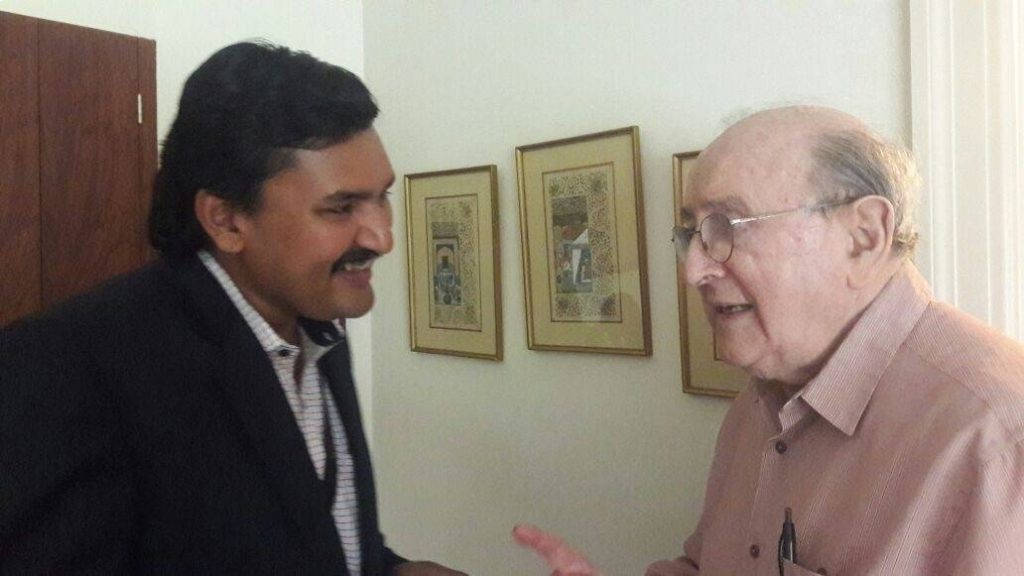
A major turning point in Dr. Rakesh’s professional journey came through the Bernard Lown Scholarship in Cardiovascular Health at Harvard T.H. Chan School of Public Health. During this period, he had the opportunity to interact with Professor Bernard Lown—Nobel Peace Prize laureate, physician, humanitarian, and founder of the International Physicians for the Prevention of Nuclear War. Their conversations on medicine, social responsibility, peace, and global justice left a lasting impression and encouraged him to think beyond conventional boundaries in public health.
What was initially scheduled as a brief meeting evolved into an extended discussion on leadership, service, and the responsibility of physicians to address larger societal challenges. Before parting, Professor Lown gifted Dr. Rakesh a copy of his book Prescription for Survival and encouraged him to think boldly about creating impact beyond traditional professional boundaries. The encounter remains one of the defining influences in his professional life.
The experience at Harvard further strengthened his interest in implementation science—the study of how evidence can be translated into sustainable real-world practice. Rather than focusing solely on whether interventions work, he became increasingly interested in understanding how effective interventions can be adopted, scaled, and sustained within complex health systems and communities.
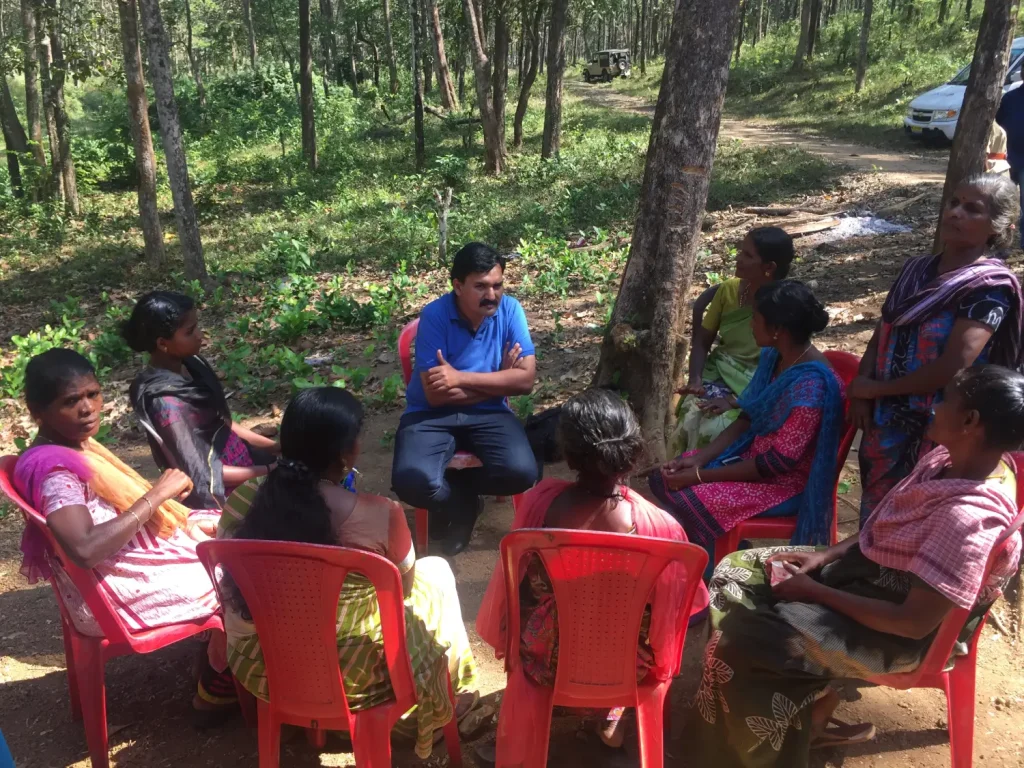
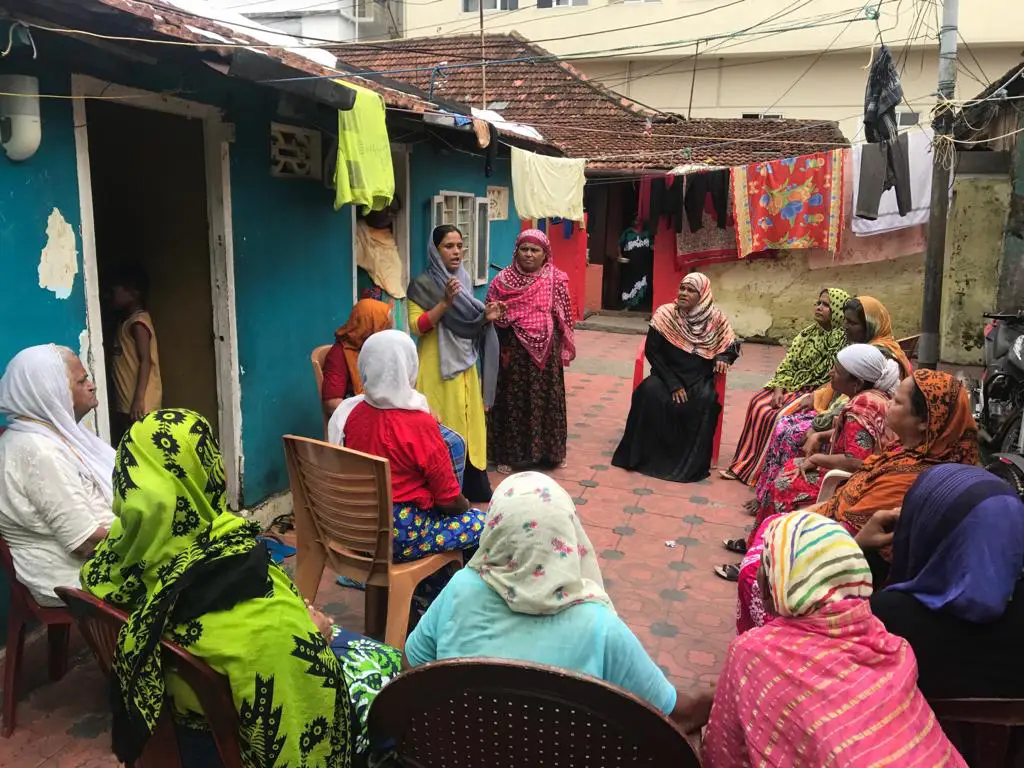
Working alongside researchers from Harvard, Dr. Rakesh later led a cluster-randomized implementation trial in the urban slums of Kochi that explored peer-group interventions through women’s self-help groups for hypertension control. The study demonstrated meaningful reductions in blood pressure among individuals with hypertension, highlighting the potential of culturally embedded, community-owned interventions in the prevention and management of non-communicable diseases.
The project reinforced a principle that would later become central to much of his work: sustainable health improvements are most likely when communities themselves become active participants in designing, implementing, and sustaining solutions.
Tuberculosis Elimination, Health Systems Innovation & Implementation Science
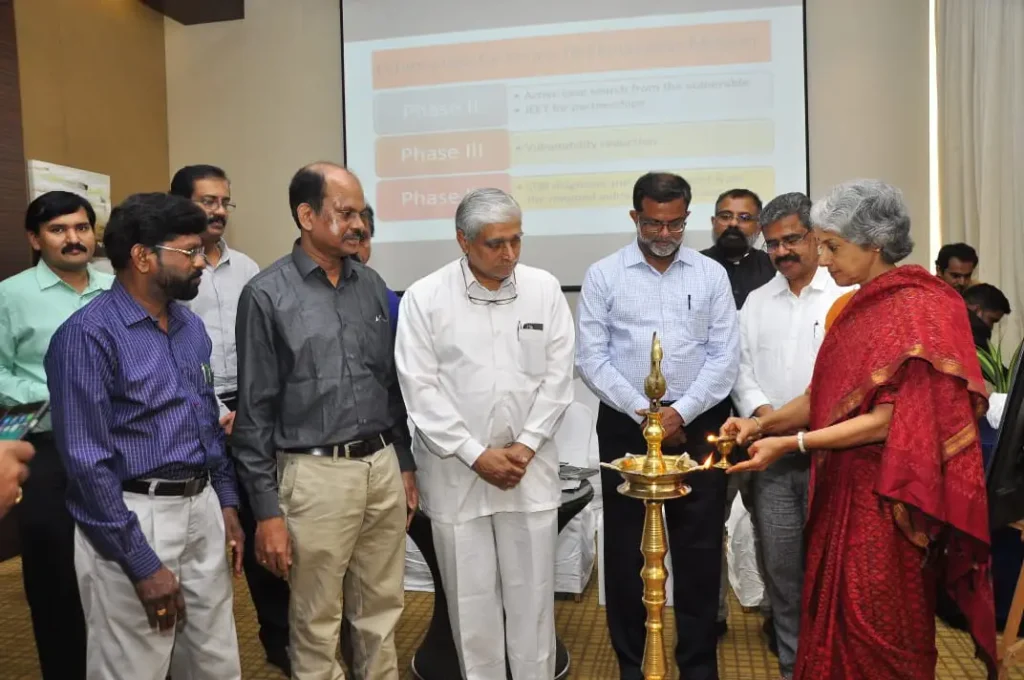
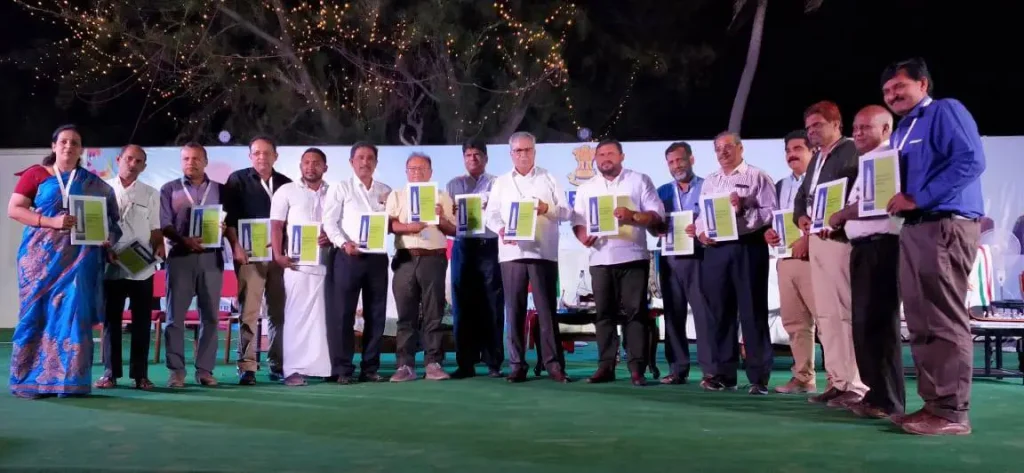
Building on his experiences in field epidemiology, implementation research, community health, and health systems strengthening, Dr. Rakesh subsequently joined the WHO-supported National Tuberculosis Elimination Programme Technical Support Network.
Working alongside government officials, healthcare providers, local self-governments, professional associations, civil society organizations, development partners, and community leaders, he supported tuberculosis elimination efforts in Kerala and Lakshadweep during a critical phase of India’s journey toward ending TB.
A defining feature of this period was his close collaboration with Dr. Shibu Balakrishnan, mentor, colleague, and long-standing collaborator. Together, they worked to address one of the most challenging questions facing public health programmes at the time: how to translate the ambition of tuberculosis elimination into practical, scalable action in a high-burden setting.
At a time when formal guidance on tuberculosis elimination in high-burden settings was limited, they undertook extensive evidence reviews, field consultations, and systems analyses to identify practical pathways for accelerating progress. These efforts contributed to the development of Kerala’s strategic framework for tuberculosis elimination, popularly known as the People’s Movement Against TB. The strategy emphasized community participation, decentralized leadership, public–private partnerships, accountability, and multi-sectoral action. Dr. Rakesh subsequently supported its implementation through technical guidance, stakeholder engagement, and strategic leadership across multiple levels of the health system.
One of the most significant innovations to emerge during this period was STEPS (System for TB Elimination by Private Sector), a collaborative model that he co-conceived and helped operationalize to strengthen private-sector engagement in tuberculosis elimination. The model brought private hospitals across Kerala into a coordinated movement to ensure standards of tuberculosis diagnosis, treatment, notification, and patient support as part of institutional social responsibility.
The initiative demonstrated how public health systems and private healthcare institutions could work together around a shared mission. Through structured partnerships, strengthened surveillance systems, decentralized accountability mechanisms, community participation, and innovative implementation approaches, STEPS contributed to transforming the role of the private sector in tuberculosis care.
Over time, Dr. Rakesh’s work expanded beyond tuberculosis programmes into broader health systems innovation and implementation science. He contributed to the development and operationalization of local government stewardship models for tuberculosis elimination, vulnerability-based active tuberculosis screening strategies, community-led accountability systems, and multi-sectoral accountability frameworks for disease control. Several of these innovations were subsequently adapted and incorporated into larger public health implementation frameworks. Notably, the local government stewardship model was later scaled nationally by the National Tuberculosis Elimination Programme as part of efforts to strengthen decentralized leadership and community ownership in tuberculosis elimination.
The STEPS model later expanded to multiple Indian states and was adopted by several leading healthcare institutions and corporate hospital networks, including Fortis, Yashoda Hospitals, Amrita Hospitals, Aster, and Narayana Health. Today, STEPS is widely recognized as one of the most sustainable public–private partnership models for tuberculosis elimination.
Working alongside a broad network of stakeholders, Dr. Rakesh contributed to efforts through which Kerala demonstrated a nearly 40% decline in tuberculosis incidence over five years. During the same period, Lakshadweep was certified as India’s first TB-free geography, a landmark achievement in the country’s tuberculosis elimination journey and an example of how community participation, decentralized governance, implementation innovation, and health system strengthening can converge to achieve ambitious public health goals.
"The challenge is rarely knowing what works. The real challenge is helping systems, institutions, and communities work together to make it happen."
Global Health Leadership & Systems Thinking
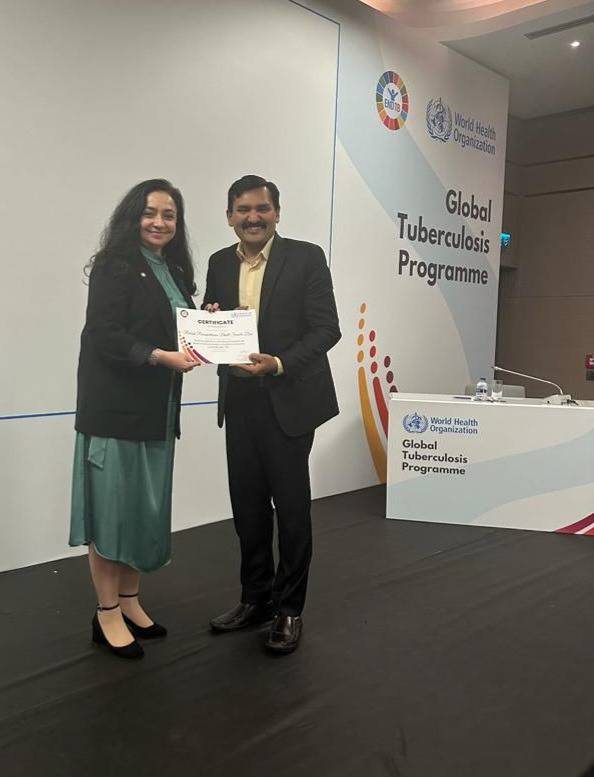
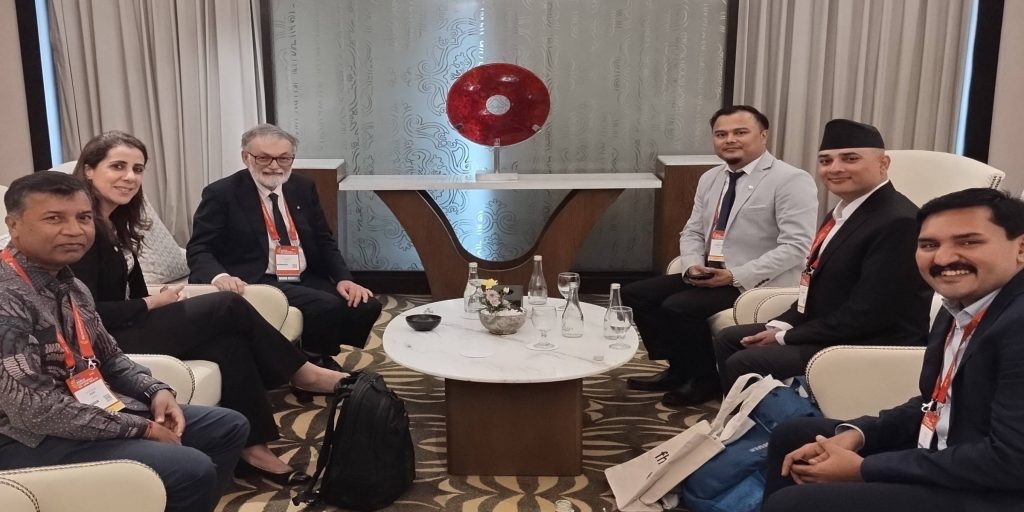
During the COVID-19 pandemic, Dr. Rakesh worked closely with the Government of Kerala in strengthening surveillance systems, integrated public health response mechanisms, and continuity of essential health services. His technical support contributed to strengthening sentinel surveillance systems, improving coordination between disease control programmes, and ensuring continuity of routine health services through integrated public health approaches.
The strategies implemented during this period contributed to evidence-based response planning, strengthened community-level surveillance, and improved public health coordination in Kerala. In recognition of these contributions, he received special appreciation from the Government of Kerala for his work in infectious disease surveillance, pandemic coordination, and public health emergency response.
Dr. Rakesh subsequently joined The Union South-East Asia Office, where he served in progressively senior leadership roles including Senior Technical Advisor, Deputy Director – Programmes, and later Global Development and Grants Specialist. During his tenure, he contributed to large-scale public health programme design, implementation, health systems strengthening, and capacity-building initiatives across India and the South-East Asia Region. He provided strategic leadership for the USAID-supported iDEFEAT TB Project, one of India’s major health systems strengthening initiatives, supporting more than 600 tuberculosis-related institutions nationwide.
He played an important role in modernization of training systems under India’s National Tuberculosis Elimination Programme and contributed to the establishment and strengthening of Centers of Excellence for Drug-Resistant Tuberculosis care aimed at improving quality of care, mentorship, and advanced treatment support systems. Recognizing the importance of broader societal participation in disease elimination efforts, he worked extensively on mobilizing corporate engagement for tuberculosis elimination through stewardship models, institutional partnerships, and advocacy initiatives aligned with national priorities.
Among the major implementation initiatives supported during this period was the Urban End TB initiative in Delhi and Hyderabad, which implemented one of India’s largest community-based systematic tuberculosis screening programmes in densely populated urban settlements. The initiative utilized AI-enabled ultra-portable handheld X-ray systems and low-cost molecular diagnostics to bring active tuberculosis screening directly to vulnerable populations at their doorsteps, covering more than one million people.
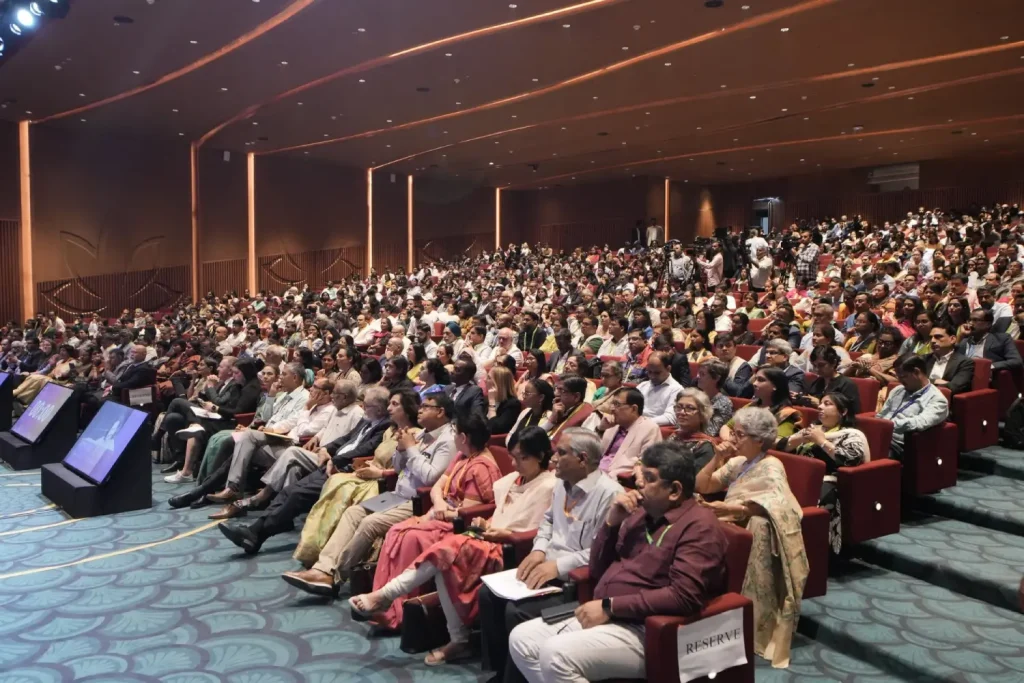
As part of his growing engagement with implementation innovation and systems transformation, Dr. Rakesh played a key role in conceptualizing and co-orchestrating the India Innovation Summit – Pioneering Solutions to End TB, held at Bharat Mandapam, New Delhi, in March 2025. Jointly organized by the Department of Health Research, Indian Council of Medical Research, Central TB Division, The Union, and the Gates Foundation, the summit brought together more than 1,400 participants including policymakers, programme managers, researchers, innovators, regulators, industry leaders, and development partners. Showcasing more than 230 innovations across diagnostics, artificial intelligence, digital health, logistics, screening technologies, and service delivery models, the summit served as a national platform for accelerating the adoption and scale-up of innovations for tuberculosis elimination.
Beyond India, he provided technical support to Nepal’s National Tuberculosis Control Programme during revision of its National Strategic Plan for tuberculosis elimination and contributed to multi-country implementation research initiatives across South-East Asia through regional research platforms supported by the Indian Council of Medical Research. His work also included regional tuberculosis situation analyses, implementation reviews, strategic planning exercises, and health systems assessments aimed at strengthening programme performance and accelerating progress toward disease elimination goals. He additionally supported tuberculosis vaccine readiness assessments across countries in the region, evaluating health system preparedness, delivery platforms, and implementation pathways for future vaccine introduction.
As Global Development and Grants Specialist at The Union, he later led the development and submission of 17 major international grant proposals, mobilizing nearly USD 10 million from international donors to support tuberculosis elimination and health systems strengthening initiatives across Africa and South-East Asia.
Research, Writing & International Engagement
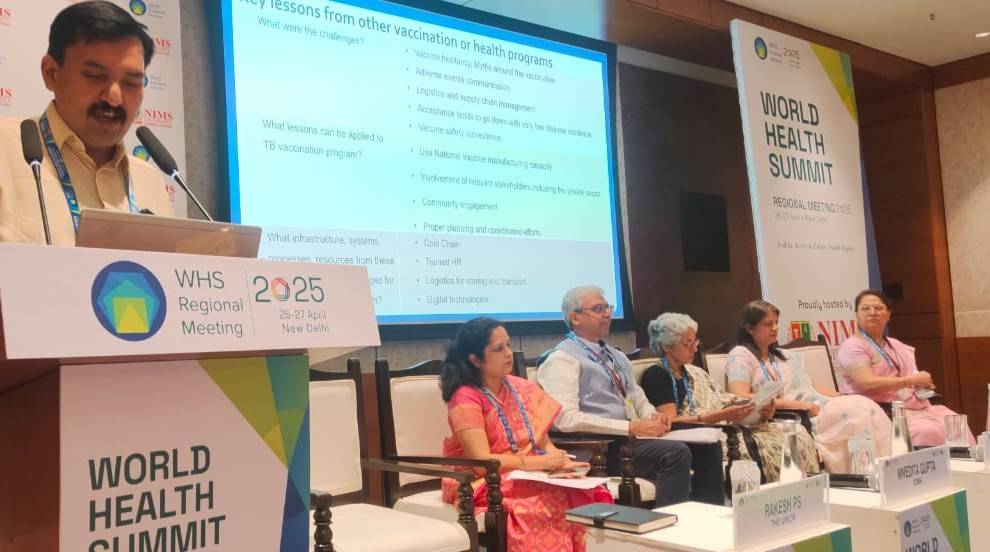
Alongside programme leadership, Dr. Rakesh has remained deeply engaged in implementation research, mentorship, and knowledge translation. As a Visiting Scientist at Harvard T.H. Chan School of Public Health, he has continued mentoring young researchers and implementation scientists while contributing to applied public health research and implementation studies.
His academic and research interests span implementation science, infectious disease epidemiology, operational research, community health systems, public–private partnerships, health systems strengthening, and research-to-policy translation. He has authored more than 140 peer-reviewed publications, including over 100 papers indexed in PubMed, with substantial contributions as first and corresponding author.
His scholarly work extends beyond academic publications to presentations at international scientific conferences and contributions to policy briefs, technical guidance documents, implementation frameworks, workforce development models, and strategic public health guidance used across multiple countries. His research has consistently focused on generating practical evidence that can be translated into programme implementation, policy development, and health systems improvement.
Dr. Rakesh has served as consultant and technical advisor to organizations including the World Health Organization, The Global Fund, and the United Nations Office for Project Services, supporting programme design, accountability frameworks, strategic planning, implementation research, and health systems initiatives.
He has also contributed to several national and international technical platforms, including serving as Member of the ICMR Expert Committee for TB Innovation Review, Member of the Joint Monitoring Mission for India’s National Tuberculosis Elimination Programme, Working Group Member on TB among Migrants and Indigenous Populations, and Faculty and Mentor for ICMR South-East Asia Regional Research Workshops.
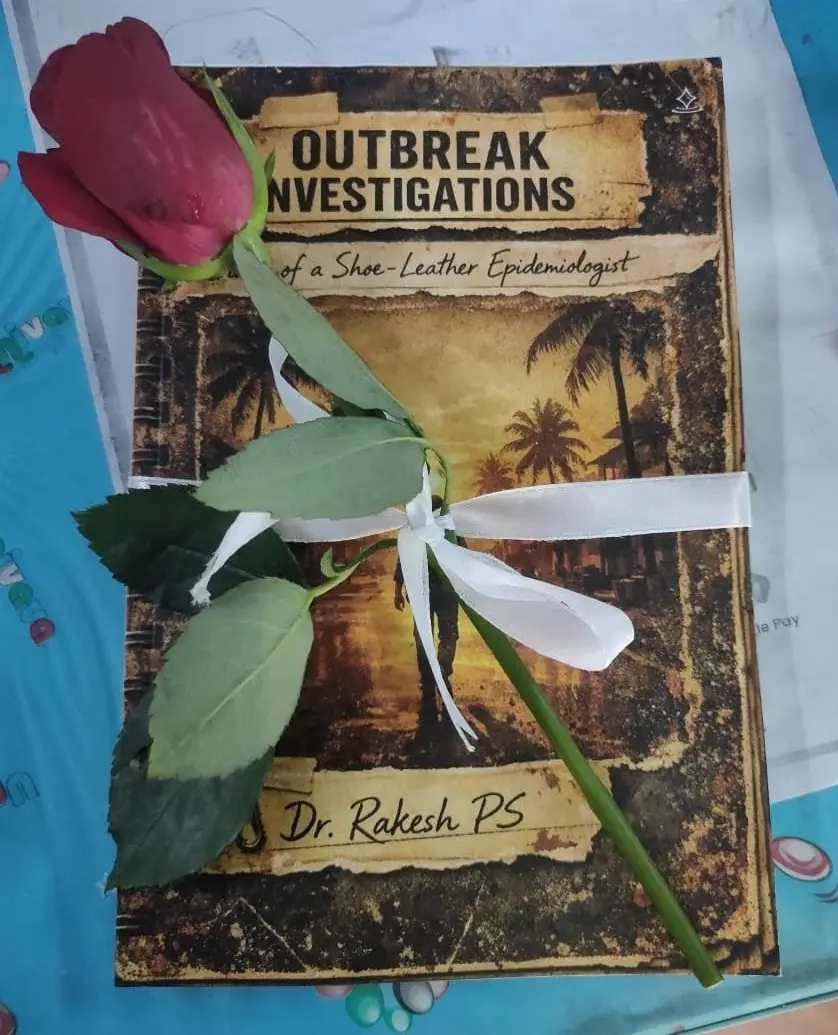
Beyond scientific writing and implementation research, Dr. Rakesh has maintained a strong commitment to public communication and knowledge dissemination. He is the author of community health education books that have reached more than 40,000 readers, the technical memoir Outbreak Investigations: Diary of a Shoe Leather Epidemiologist, and the literary non-fiction work Echoes from the Atoll: Inside India’s First TB-Free Islands. Through both academic and public writing, he has sought to bridge the gap between science, policy, and society.
A Journey Guided by Purpose
Across these diverse roles—field epidemiologist, teacher, researcher, implementation scientist, health systems leader, mentor, and author—a common thread has remained constant.
Whether investigating an outbreak in a remote community, supporting a government programme, mentoring a young researcher, designing a public–private partnership, or writing a health education book for school children, Dr. Rakesh has consistently focused on translating knowledge into action and ensuring that public health solutions remain grounded in the realities of communities.
His work reflects a belief that sustainable change is achieved not through isolated projects, but through strengthening the relationships between evidence, institutions, and people.
Public Service & Continuing Work
Beyond institutional responsibilities, Dr. Rakesh continues to contribute to public health and social development initiatives through voluntary leadership roles. He serves as Chairperson of the Centre for Public Health Protection and Director of the Foundation for Health Systems Strengthening, organizations focused on evidence generation, public health advocacy, systems strengthening, and community-centered demonstration projects.
He has also served as consultant to the National President of the Indian Academy of Pediatrics, supporting equity-oriented child health initiatives and under-five mortality reduction strategies in aspirational districts across India.
His continuing work focuses on bridging the gap between evidence, implementation, equity, and community ownership in real-world public health systems.
Acknowledgment
Public health is fundamentally a collective endeavor.
The journey described here reflects the contributions of countless mentors, colleagues, healthcare workers, researchers, teachers, students, community volunteers, patients, policymakers, development partners, and institutions who shared a commitment to improving health and wellbeing.
Dr. Rakesh considers himself fortunate to have learned from and worked alongside remarkable individuals and teams across government, academia, healthcare systems, civil society organizations, and international agencies.
While this page tells one professional journey, the impact described here belongs to many. It was shaped by collaboration, trust, shared purpose, and the collective efforts of countless individuals and institutions committed to improving health and wellbeing.