Public Health Impact
From Evidence to Action
For Dr. Rakesh PS, public health is not measured by publications, projects, or positions held. Its true measure lies in whether people live healthier lives because systems have improved.
Across more than fifteen years of work spanning local communities, national programs, academic institutions, and international collaborations, he has focused on a simple but important question:
How can evidence be translated into solutions that improve lives at scale?
His work has contributed to disease elimination, health systems strengthening, implementation science, public-private partnerships, workforce development, community ownership, health literacy, and policy reforms across India and the South-East Asia Region.
Throughout this journey, one principle has remained constant:
Lasting public health impact occurs when evidence becomes action and communities become owners of change.
Publications, in his view, are often byproducts of a deeper process of inquiry, problem-solving, and systems transformation.
Impact at a Glance
40%
Reduction in Tuberculosis Incidence in Kerala over five years
India's First TB-Free Geography
Lakshadweep certified TB-Free
1 million+
People reached through community-based systematic TB screening initiatives
10,000+
Doctors and healthcare professionals trained
400+
Private healthcare facilities engaged in structured public health partnerships
USD 10 Million
Mobilized through international grants supporting multi-country health initiatives
100+
Students, interns, researchers, and public health professionals mentored
8+ Countries
Supported through implementation research, technical assistance, strategic planning, and health systems strengthening
Building a People’s movement against TB
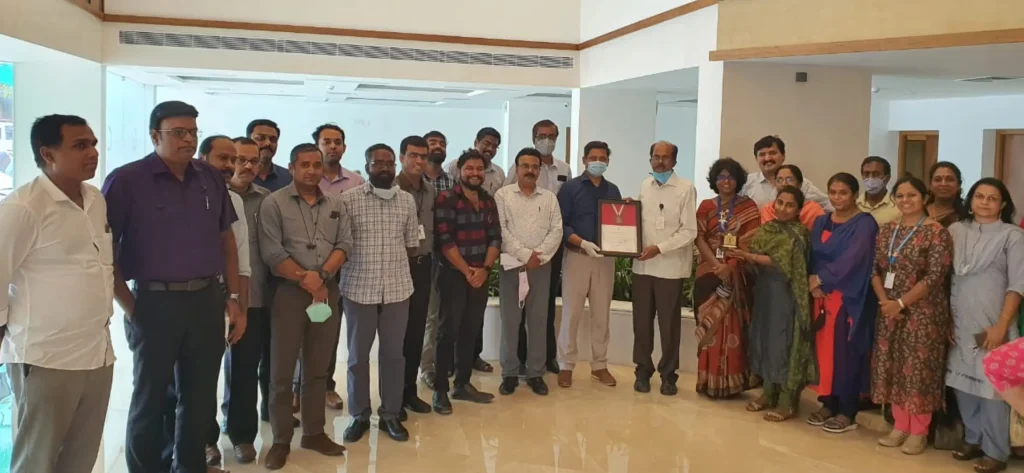
Tuberculosis elimination has been one of the defining themes of Dr. Rakesh’s professional journey.
Working alongside colleagues from the National Tuberculosis Elimination Programme, local governments, healthcare institutions, professional associations, civil society organizations, development partners, and community leaders, he contributed to efforts that transformed tuberculosis control in Kerala and Lakshadweep during a period of significant change.
Rather than viewing tuberculosis as solely a medical challenge, these efforts sought to address it as a broader social and systems issue. The approach emphasized community participation, local government ownership, public–private partnerships, active surveillance, accountability mechanisms, decentralized planning, and multi-sectoral action.
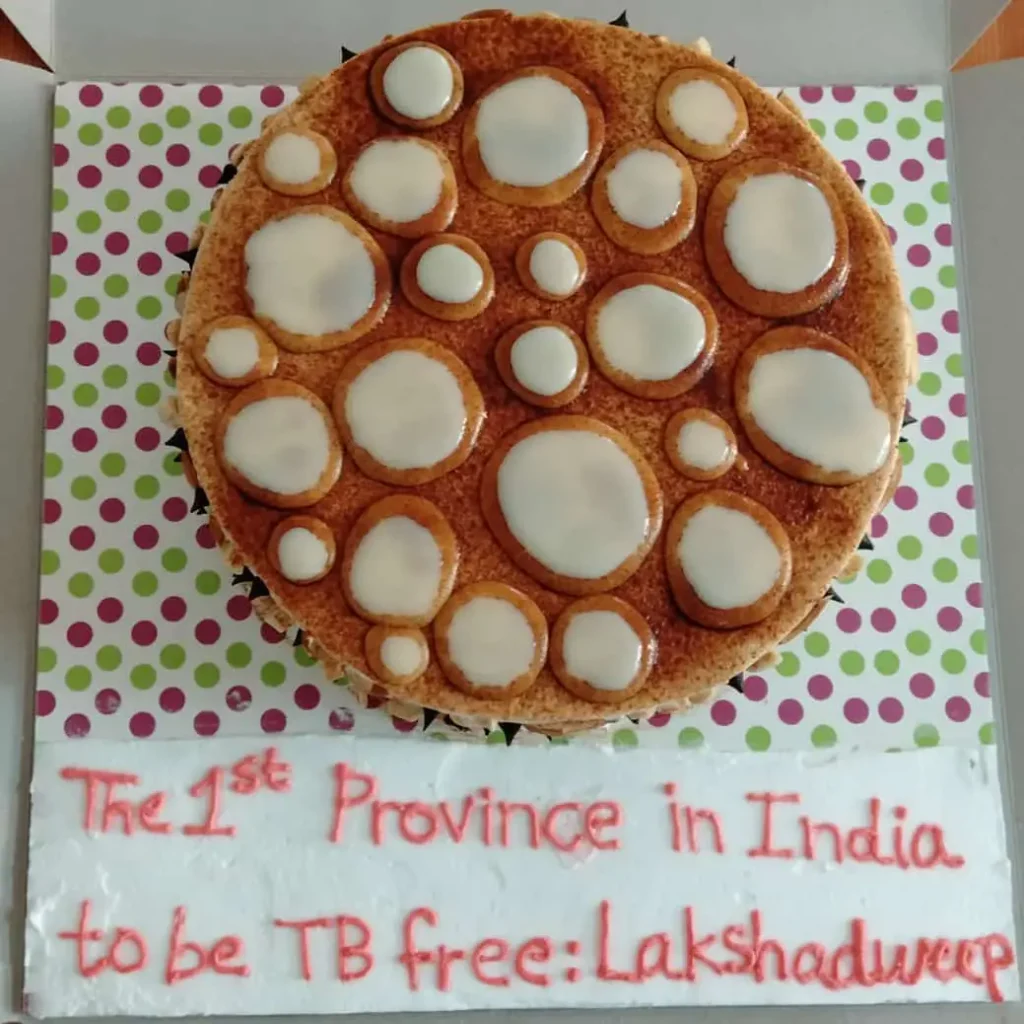
At a time when formal guidance on tuberculosis elimination in high-burden settings was limited, these initiatives helped shape Kerala’s strategic framework for tuberculosis elimination, widely known as the People’s Movement Against TB. The strategy encouraged local solutions to local problems while strengthening coordination among communities, healthcare providers, institutions, and governments.
Several implementation innovations that Dr. Rakesh helped develop or support during this period later informed larger public health frameworks. These included local government stewardship for tuberculosis elimination, vulnerability-based active screening, community-led accountability models, multi-sectoral accountability frameworks, workplace-based tuberculosis engagement, and integration of tuberculosis and lung health services. Many of these approaches were subsequently adopted beyond Kerala and contributed to broader policy and programme strategies.
Over a five-year period, Kerala demonstrated a nearly 40% reduction in tuberculosis incidence. During the same period, Lakshadweep became India’s first certified TB-Free geography, demonstrating how even geographically isolated populations can achieve ambitious public health goals when communities, institutions, and governments work together around a shared vision.
" Disease elimination is ultimately not a medical achievement alone. It is a reflection of what communities, institutions, and governments can accomplish together."
These experiences later informed policy discussions, implementation frameworks, and tuberculosis elimination strategies beyond Kerala, contributing to India’s evolving vision of ending tuberculosis.
STEPS: Redefining Public–Private Partnership
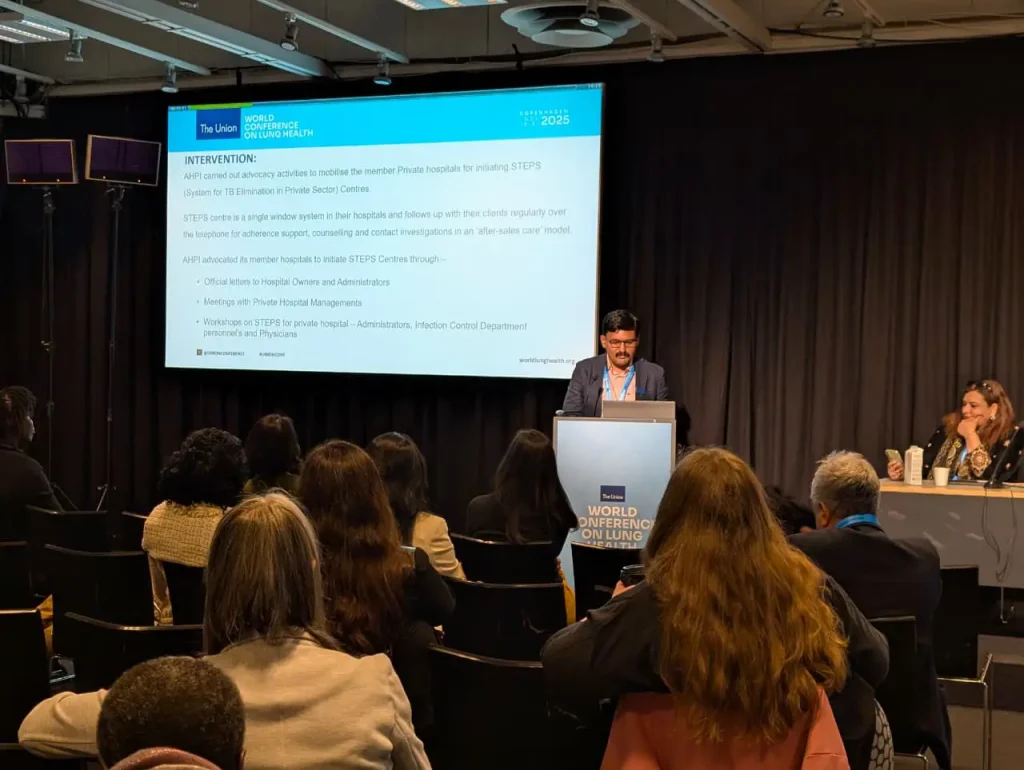
One of the most influential innovations associated with Dr. Rakesh’s work has been STEPS (System for TB Elimination by Private Sector).
Developed through the collective efforts of healthcare providers, professional associations, program managers, hospital leaders, patient advocates, and public health professionals, STEPS sought to ensure that every person with tuberculosis receives standards-based care regardless of where treatment is initiated.
The model created a shared accountability framework connecting hospitals, laboratories, pharmacies, professional bodies, patients, and public health systems.
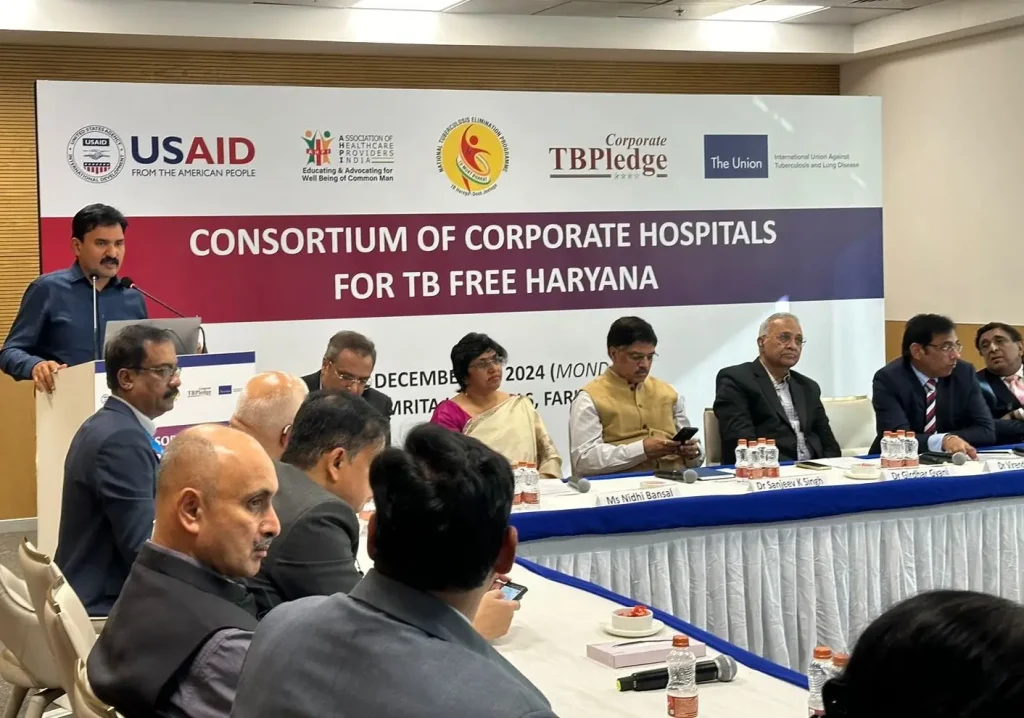
What began in Kerala expanded to multiple Indian states and was adopted by major healthcare networks including Amrita Hospitals, Aster Hospitals, Fortis, Narayana Health, and Yashoda Hospitals.
Today, STEPS is widely regarded as one of India’s most sustainable public-private partnership models for tuberculosis elimination.
Anti-TB Stewardship and Lung Health Integration
Long before integrated care became a widely discussed concept, Dr. Rakesh worked with colleagues to promote a broader approach linking tuberculosis control with respiratory health, rational antibiotic use, and quality of care.
At Amrita Institute of Medical Sciences, he helped conceptualize the Anti-TB Stewardship model within the framework of antimicrobial stewardship, an approach that later received recognition from the Lancet Commission on Tuberculosis.
He also worked with healthcare providers and program teams to pilot the Practical Approach to Lung Health (PAL), demonstrating reductions in irrational antibiotic use, unnecessary injections, and inappropriate prescriptions while improving quality of life for patients. The model was later scaled up and informed broader efforts to integrate tuberculosis and lung health services.
Strengthening Health Systems
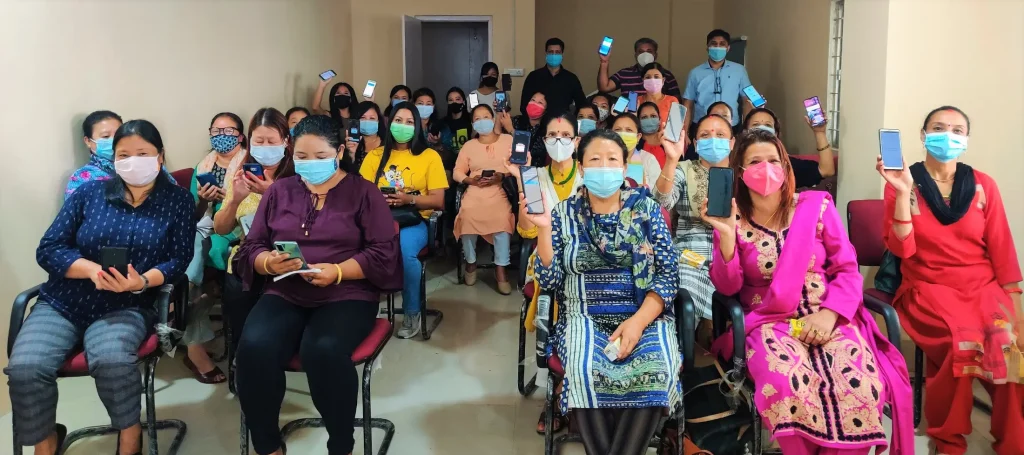
Throughout his career, Dr. Rakesh has viewed strong systems—not isolated projects—as the foundation of sustainable health improvement.
His work has focused on strengthening governance, workforce capacity, accountability, service quality, and collaboration across sectors.
Across multiple roles, he has contributed to the training and mentorship of more than 10,000 doctors, program managers, researchers, and healthcare professionals.
Working with academic institutions, government programs, professional associations, and development partners, he has contributed to modernization of training systems, establishment of Centers of Excellence for Drug-Resistant Tuberculosis Care, faculty leadership for Master of Public Health programs, mentorship of young researchers and implementation scientists, and capacity-building initiatives across the South-East Asia Region.
He also supported the Corporate TB Pledge initiative, which brought together businesses, healthcare institutions, and professional organizations in support of tuberculosis elimination efforts. By promoting workplace awareness, screening, patient support, and institutional responsibility, the initiative highlighted the potential of corporate engagement as an important partner in strengthening public health systems and accelerating disease elimination goals.
His philosophy has remained consistent:
Sustainable public health change occurs when local capacity is strengthened.
Innovation and Research Translation
For Dr. Rakesh, research is not an end in itself.
Research becomes meaningful only when it solves real-world problems, strengthens systems, informs policy, and improves lives.
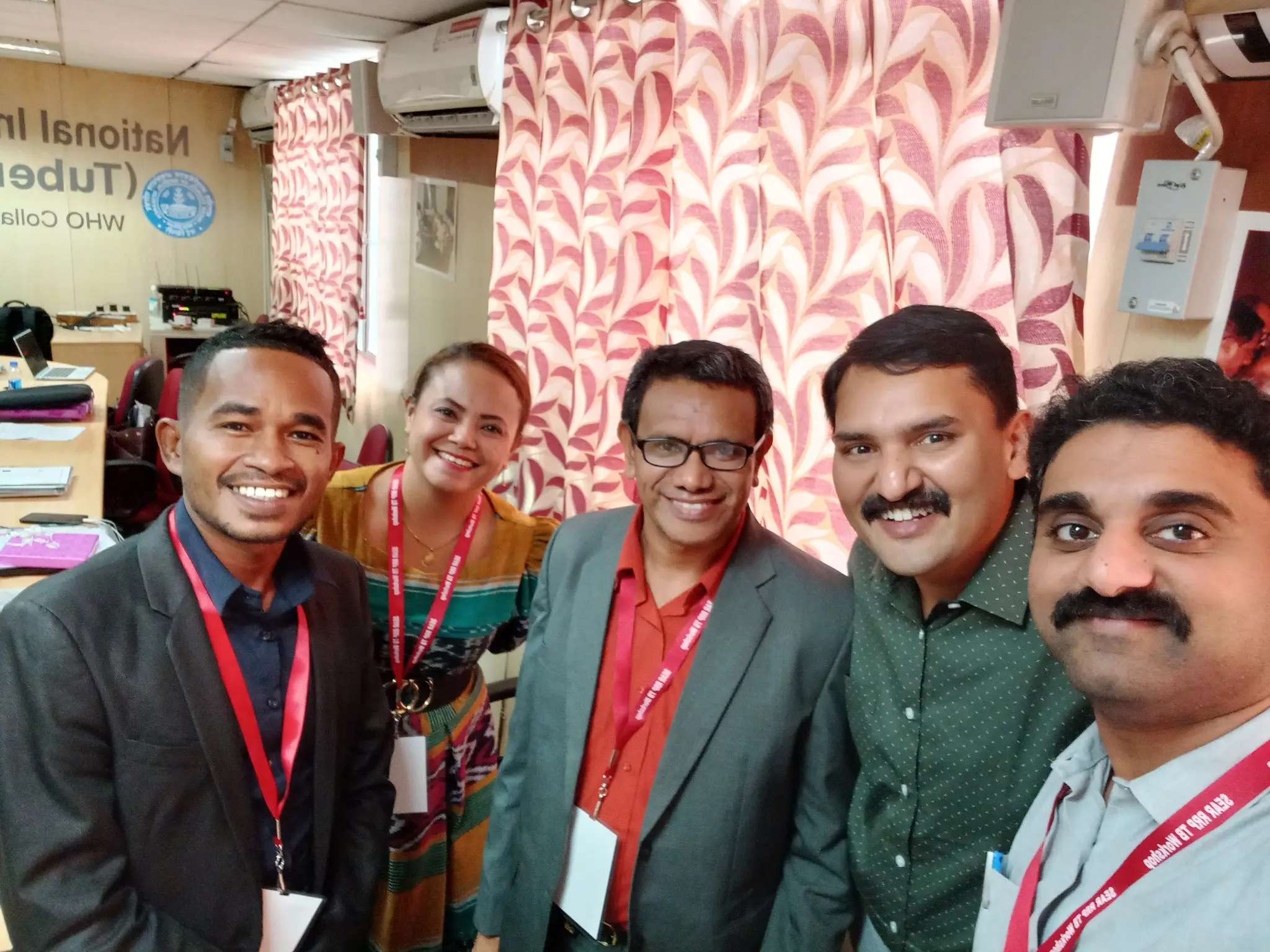
In partnership with the Indian Council of Medical Research (ICMR), Dr. Rakesh worked with researchers, innovators, policymakers, industry partners, and program leaders to establish the India Innovation Summit. The summit created a platform for identifying, evaluating, and accelerating practical public health innovations capable of being scaled within health systems.
Through ICMR’s South-East Asia Regional Research Platform (SEARRP), he collaborated with researchers and program leaders across multiple countries to strengthen operational research capacity and generate policy-relevant evidence.
These initiatives helped countries translate research findings into practical program improvements while fostering a culture of implementation science and evidence-informed decision making.
His broader contributions have included WHO policy briefs, strategic roadmaps, technical guidance documents, implementation frameworks, and program evaluations that informed decision-making at national and regional levels.
Urban Health and Community Innovation
Health inequities are often most visible among populations living in underserved urban environments.
To address this challenge, Dr. Rakesh has contributed to innovative approaches that bring healthcare closer to communities.
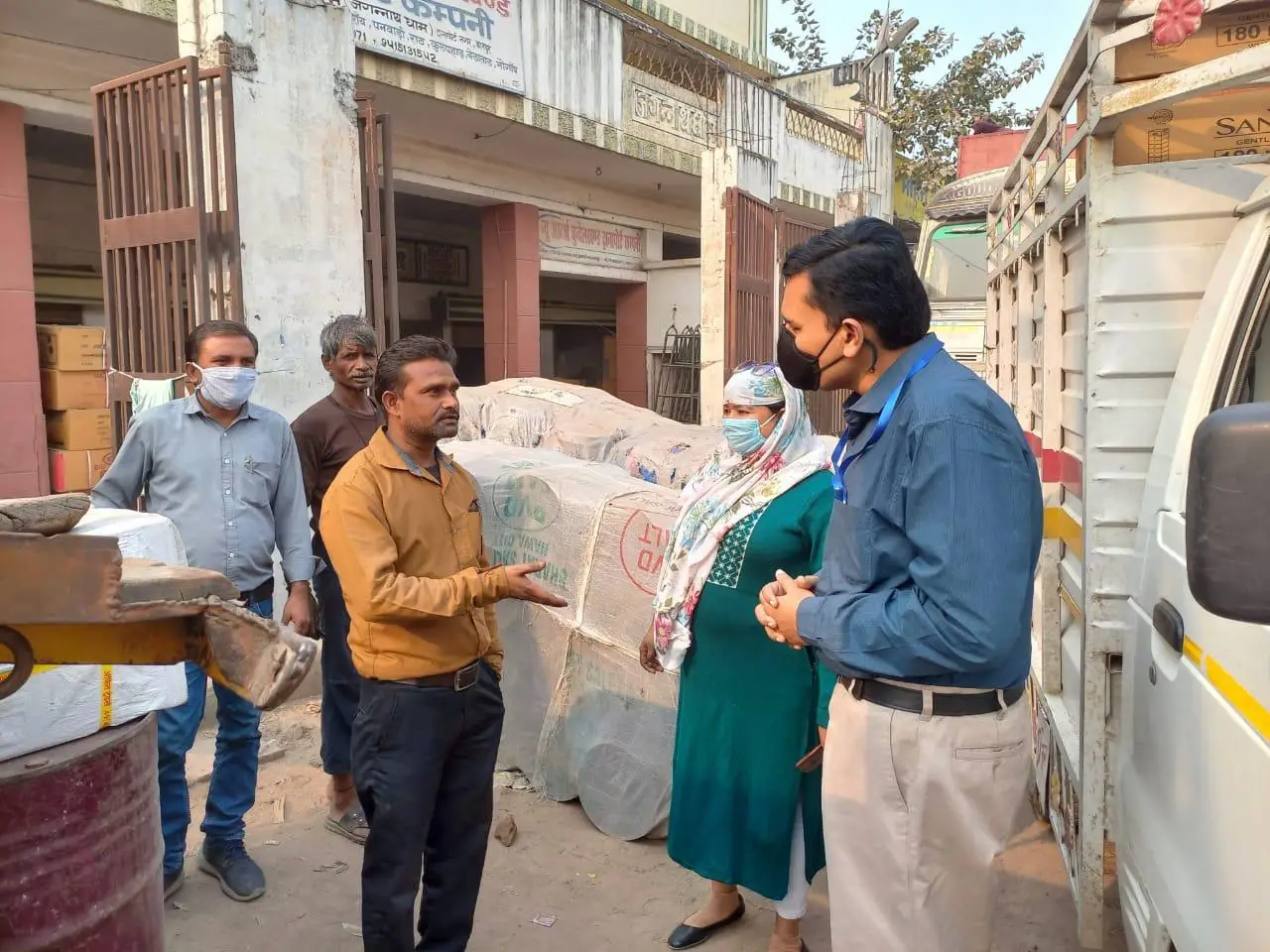
At The Union South-East Asia Office, he worked alongside community organizations, technology partners, healthcare providers, local governments, and public health programs to support one of the region’s largest community-based tuberculosis screening initiatives.
The Urban End TB project combined community mobilization, AI-enabled handheld digital X-ray systems, and molecular diagnostics to reach underserved populations in Delhi and Hyderabad.
More than one million people were screened, demonstrating the feasibility of delivering advanced diagnostics directly within densely populated urban settlements.
The initiative became an important example of how technology, implementation science, and community engagement can work together to improve access to care.
Community-Based Hypertension Control
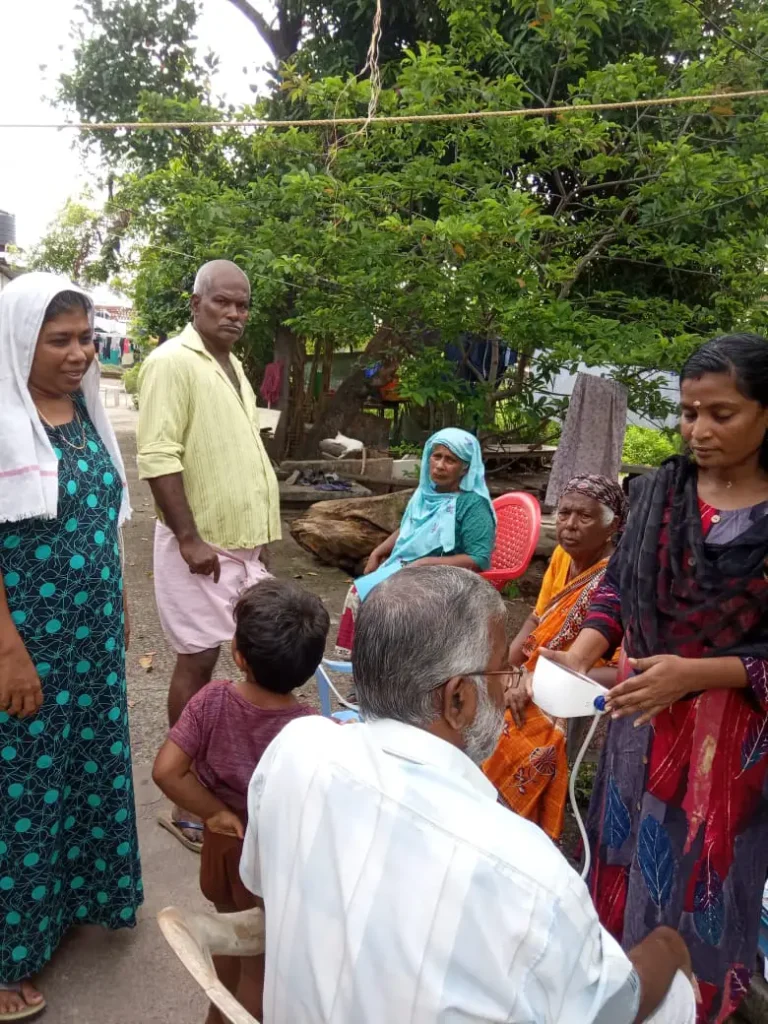
As a Bernard Lown Scholar and Visiting Scientist at Harvard T.H. Chan School of Public Health, Dr. Rakesh led a cluster-randomized implementation trial in the urban slums of Kochi that explored a simple but powerful question:
Can communities themselves become agents of chronic disease control?
Working with women’s self-help groups, community leaders, and researchers, the project developed peer-support mechanisms for individuals living with hypertension.
The intervention demonstrated meaningful reductions in systolic blood pressure among participants, highlighting the power of community ownership and social networks in improving cardiovascular health outcomes.
Beyond the research findings, the study demonstrated that sustainable solutions to non-communicable diseases often lie not only within healthcare institutions, but also within the social structures that exist within communities.
Health Literacy and Community Empowerment
Public health impact extends beyond hospitals and clinics.
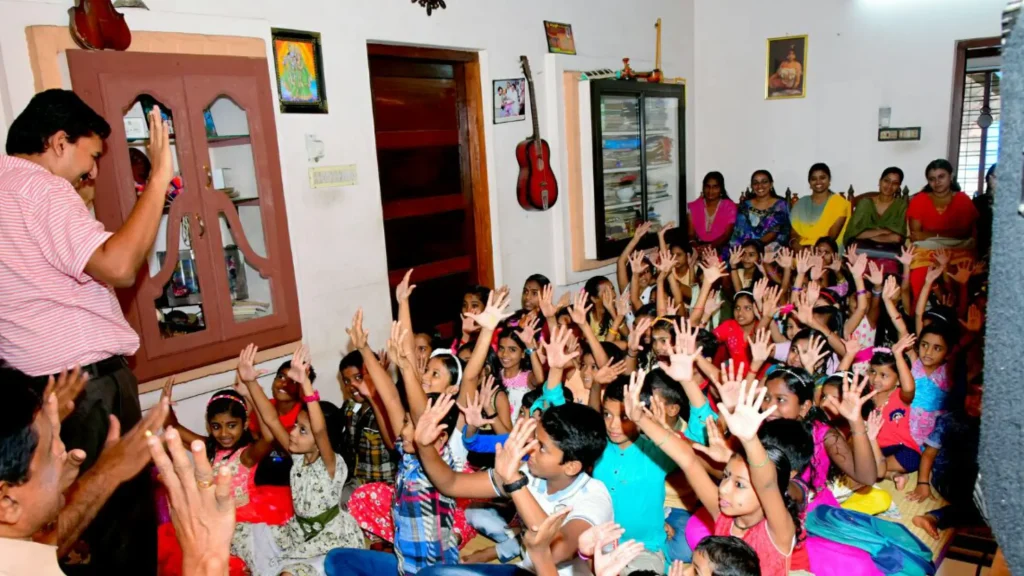
Through the Arivu Arogyam Jeevitham health education series, Dr. Rakesh sought to make health information understandable and actionable for children, families, and communities.
Distributed through schools and community networks, the books reached more than 40,000 readers and inspired health clubs, school competitions, awareness programs, and community engagement activities.
The initiative demonstrated that health literacy itself can be a powerful public health intervention.
Health Security and Outbreak Response
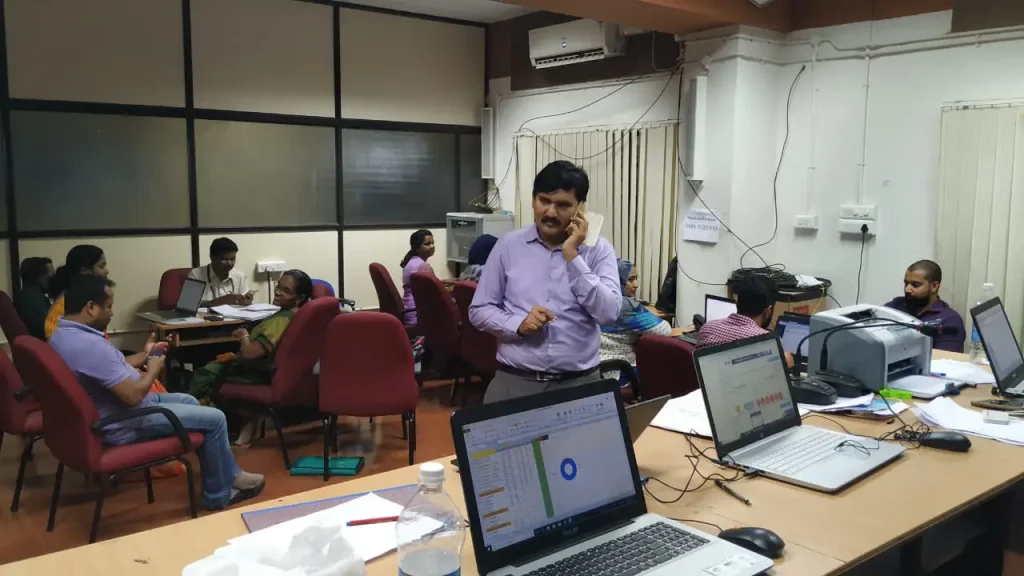
Dr. Rakesh’s public health journey began in field epidemiology.
As District Epidemiologist under the National Health Mission, he worked with surveillance teams, laboratory networks, district administrations, healthcare institutions, and community stakeholders to investigate and contain more than twenty infectious disease outbreaks.
These investigations informed public health action related to water safety, infection prevention, environmental health, outbreak preparedness, and disease surveillance.
His expertise was later utilized during major public health emergencies including hepatitis A outbreaks, the Kerala floods of 2018, the Nipah outbreak of 2019, and the COVID-19 pandemic.
These collaborative efforts strengthened surveillance systems, maintained continuity of essential health services, and improved preparedness during periods of crisis.
Influencing Policy and Public Health Law
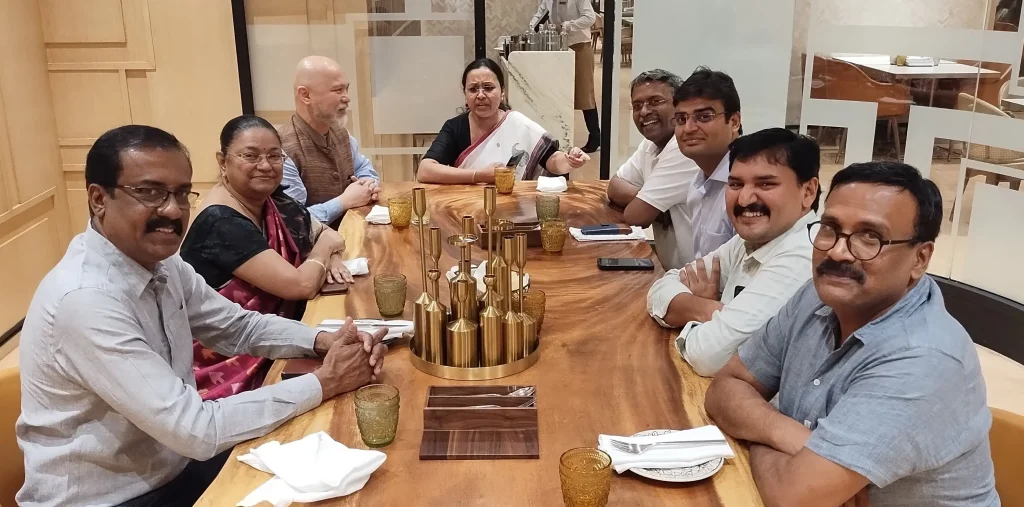
Through research, advocacy, and public health commentary, Dr. Rakesh contributed to discussions on modernization of India’s epidemic legislation, ethical implementation of public health measures, and rights-based approaches to epidemic preparedness. His writings on the Epidemic Diseases Act helped stimulate broader conversations on the need for modern public health laws that balance emergency response with accountability, decentralization, and protection of citizens’ rights. His writings and analyses were cited in broader discussions on epidemic preparedness, rights-based public health legislation, and the need for modern legal frameworks capable of supporting coordinated responses to public health emergencies
Regional and Global Influence
Beyond India, Dr. Rakesh has contributed to public health initiatives across the WHO South-East Asia Region, including Bangladesh, Bhutan, Nepal, Sri Lanka, Indonesia, Maldives, and Timor-Leste.
Working with governments, academic institutions, international agencies, professional bodies, and development partners, he has supported strategic planning, implementation reviews, operational research, policy development, and health systems strengthening.
His contributions have included support for the revision of Nepal’s National Strategic Plan for Tuberculosis Elimination, regional tuberculosis situation analyses, assessments of TB vaccine readiness, strategic roadmaps for disease elimination, and frameworks for community engagement and accountability.
His expertise has also informed regional discussions on migrant health, indigenous populations, implementation science, and future preparedness for TB vaccine introduction.
More recently, he has helped mobilize over USD 10 million through international grants supporting multi-country health initiatives across Asia and Africa, enabling innovations to move from pilot projects to sustainable implementation.
Mentorship and Leadership Development
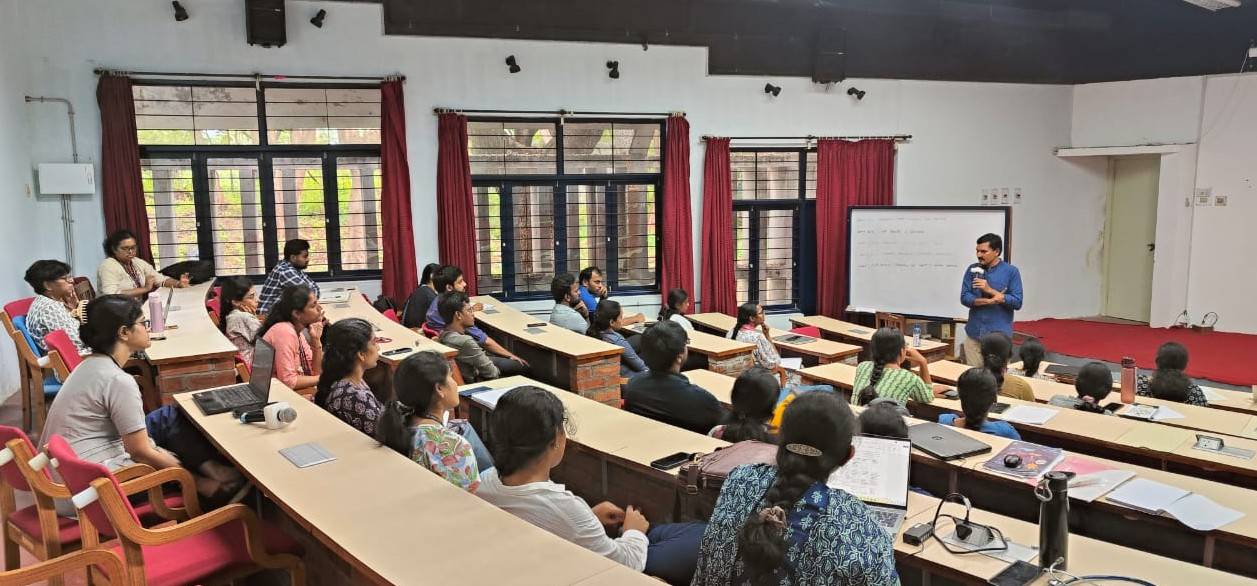
While disease-control programs, policies, and innovations often receive the greatest visibility, Dr. Rakesh considers mentoring the next generation of public health professionals to be among his most meaningful contributions.
Throughout his career, he has consistently invested time in supporting students, interns, young researchers, clinicians, program managers, and public health practitioners—often beyond formal institutional responsibilities.
Many mentorship conversations began informally—after workshops, during field visits, through phone calls, or over coffee—and often evolved into long-term professional relationships.
Whether as faculty member, visiting scientist, program leader, or mentor, he has maintained an open-door approach, dedicating time for discussions, career guidance, research support, and problem-solving conversations with professionals from across India and the South-East Asia Region.
Many of those he has mentored now serve as researchers, faculty members, epidemiologists, program leaders, and public health managers across universities, government agencies, non-governmental organizations, and international institutions.
For Dr. Rakesh, the most enduring public health legacy is not a program or publication, but the people who continue the work.
Programs may end. Policies may change. But when knowledge, confidence, and values are passed on to another generation of public health professionals, the impact continues long after any project is completed.
Models, Frameworks and Innovations Influenced
Over the course of his career, Dr. Rakesh has contributed to the design, implementation, or scale-up of several public health innovations, including:

STEPS

Local Government Stewardship

Vulnerability-Based Active Surveillance

Anti-TB Stewardship

Urban Health Initiatives

Practical Approach to Lung health

Corporate TB Pledge

Community Led-Accountability Models
Together, these initiatives reflect a consistent commitment to building systems that endure beyond individual projects.
Collaboration and Shared Success
Public health is fundamentally a collective endeavor.
The work described throughout this website reflects the contributions of thousands of individuals—patients, community volunteers, healthcare workers, researchers, students, teachers, local government leaders, program managers, policymakers, civil society organizations, professional associations, academic institutions, development partners, and colleagues across multiple countries.
Dr. Rakesh considers himself fortunate to have worked alongside remarkable teams throughout his career. Many of the achievements highlighted here emerged not from individual effort, but from shared vision, trust, collaboration, and persistence.
While this website documents one professional journey, the impact belongs to many.
A Philosophy of Impact
- Research is important.
- Innovation is important.
- Policy is important.
But none of them matter unless they improve the lives of people.
Public health succeeds when evidence becomes action, when communities become partners, when institutions become stronger, and when future generations inherit systems that are more equitable, resilient, and humane than those that existed before.