Outbreak Investigations:
Diary of a Shoe-Leather Epidemiologist
Technical Memoir | Field Epidemiology | Public Health Practice
“Outbreaks are rarely defeated in conference rooms. They are understood in villages, hospitals, laboratories, homes, and communities — wherever people, pathogens, and systems intersect.”

About the Book
Outbreak Investigations: Diary of a Shoe-Leather Epidemiologist takes readers into the front lines of real-world disease control, where outbreaks are solved not in classrooms, but in villages, hospitals, laboratories, and crisis rooms.
Drawing from firsthand investigations and field experiences, Dr. Rakesh PS blends compelling public health narratives with practical epidemiological insight to reveal how outbreaks are truly detected, understood, and contained under real-world constraints.
More than a technical guide, the book explores the judgment, ethics, uncertainty, and courage required when data is incomplete, pressure is high, and decisions cannot wait. From surveillance failures and waterborne epidemics to institutional resistance, environmental contamination, and community mistrust, the narrative captures the complex human and systemic realities that shape public health response.
Moving beyond textbook epidemiology, the book offers readers a rare glimpse into the operational world of field investigations — where scientific reasoning intersects with governance, communication, logistics, politics, and public trust.
Written for students, practitioners, and aspiring public health leaders, this work functions both as a field manual and a reflective memoir.
At its core, it is a reminder that epidemiology is not merely the science of diseases, but the practice of understanding people, systems, environments, and vulnerabilities — often under conditions where uncertainty is the only constant.
Book Information

Title
Outbreak Investigations: Diary of a Shoe-Leather Epidemiologist

Author
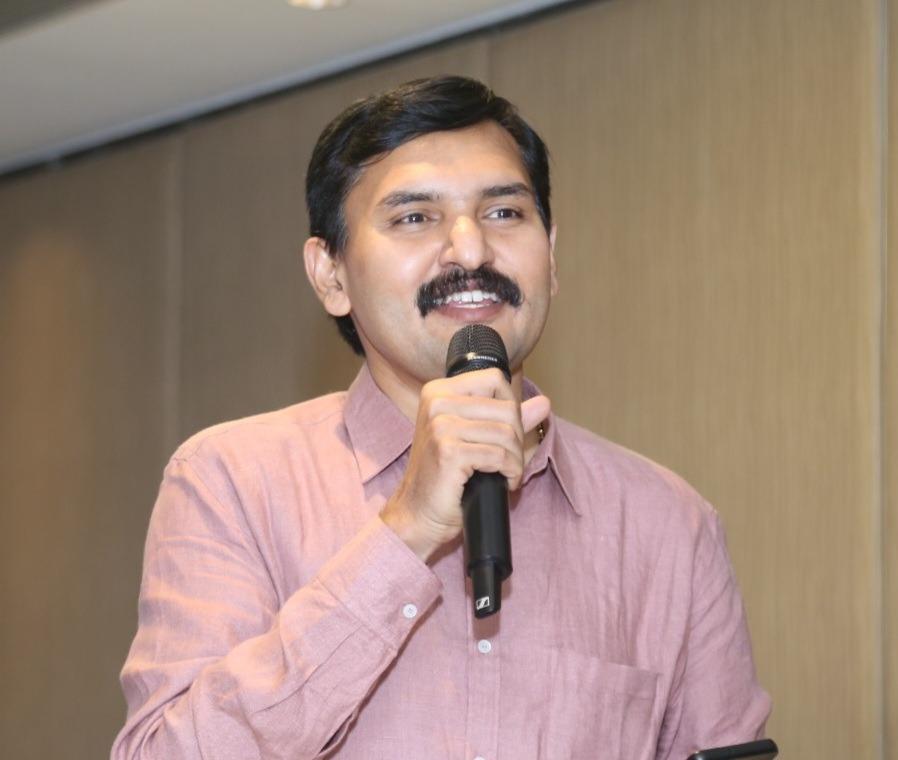
Dr. Rakesh PS

Genre
Technical Memoir / Field Epidemiology

Publisher
Shashwat Publication

ISBN
978-93-7462-535-4
Available On
Direct E-Commerce Gateways
Why This Book Was Written
This is not a book about heroic breakthroughs or neatly packaged scientific conclusions.
It was written to document the realities that often remain invisible in academic discussions of epidemiology and public health.
In classrooms, outbreak investigations are frequently presented through structured frameworks, clean datasets, and retrospective clarity. Real-world epidemiology is rarely so orderly. Investigations unfold amidst uncertainty, incomplete information, conflicting narratives, political pressures, logistical constraints, and rapidly evolving risks.
The purpose of this book is to bridge the gap between epidemiology as it is taught and epidemiology as it is practiced.
It seeks to document the decisions, doubts, ethical dilemmas, and field realities that shape outbreak response long before definitive answers become available.
Ultimately, the book is a tribute to the often-unseen work of public health professionals, surveillance teams, laboratory staff, nurses, local administrators, and community members whose collective efforts protect populations every day.
What Makes This Book Different?
Most outbreak reports end with findings.
This book begins where many reports stop.
- How investigators think when evidence is incomplete.
- How communities react during public health crises.
- How scientific findings are translated into public action.
- How ethics, governance, and communication influence outbreak response.
- How systems succeed—or fail—during moments of uncertainty.
- How systems succeed—or fail—during moments of uncertainty.
The stories are real. The challenges are real. The lessons remain relevant long after the outbreaks have ended.
Themes Explored

Field Epidemiology
Understanding how outbreaks are investigated in real-world settings where information is incomplete and time is limited.

Public Health Ethics
Balancing surveillance needs, confidentiality, public safety, and human dignity during crises.
Leadership Under Uncertainty
Making decisions when evidence is evolving and consequences cannot be postponed.

Evidence to Action
The challenge of translating scientific findings into policy, regulation, and public health interventions.

Community Trust
Understanding why outbreak control depends as much on communication and trust as on technical expertise.

Systems Thinking
Recognizing that outbreaks emerge from interactions between people, environments, institutions, behaviors, and governance structures.
Reflections from the Author
The Fluid Reality of Shoe-Leather Fieldwork
The gold-standard frameworks taught in academic classrooms represent a necessary ideal. Yet real-world field epidemiology is rarely linear. Microbes do not wait for perfect study designs. Outbreaks do not unfold according to textbook sequences. Data are often incomplete, contradictory, or delayed. Decisions must frequently be made under uncertainty, where every choice carries immediate consequences for communities. The challenge of a frontline epidemiologist is not simply knowing the textbook steps, but understanding when and how to adapt them to local realities. Effective field investigation demands judgment, curiosity, humility, and the ability to recognize weak signals before patterns become obvious. This book was written for those moments when field conditions refuse to follow theoretical expectations.
Epidemiology Is About People, Not Just Pathogens
"Epidemiology is fundamentally an investigation into human behavior, environmental conditions, and community vulnerabilities. Diseases may trigger investigations, but people remain at the center of every public health response." The book repeatedly returns to a central lesson from field practice: successful outbreak control depends not only on identifying pathogens but also on understanding communities, institutions, fears, incentives, and social realities.
Surveillance Without Ethics Is Just Surveillance
For most people, the sea represents distance. In Lakshadweep, it represents connection. Every journey between islands reminded me that geography shapes not only movement but also identity. Boats carry medicines, food, ideas, stories, and relationships. The sea is both barrier and bridge, challenge and lifeline. Over time, I came to realize that understanding Lakshadweep requires understanding its relationship with the ocean. The sea is not merely a backdrop to island life; it is one of its principal characters.
Moving Evidence to Action
"Evidence doesn’t automatically lead to action. Findings remain buried on PubMed. That’s when the work stops being technical and becomes advocacy." Standard public health training teaches us how to conduct rigorous research or analyze complex programmatic data. However, it talks far less about what must come next: Advocacy. Weak signals get normalized, reports remain unread, and administrative delays are often treated as reasonable. True public health impact requires the quiet persistence required to move systems from within. When scientific evidence is ready, the work transitions from a technical exercise into structural advocacy. It raises critical questions for the global medical community: Should advocacy be treated as a core public health skill, and more importantly, where do future leaders actually learn it? The book reflects on the often-overlooked role of advocacy, persuasion, systems engagement, and leadership in transforming findings into meaningful action.
The Lotus Leaf Mindset: Detached Commitment in Public Health
"Work deeply. Care fully. But do not cling. True professionalism is caring deeply — without becoming attached to ego." Most leaves absorb water; rain falls, they hold it, and they bend under its weight. The lotus leaf is different. Water touches it — but it does not cling. Droplets gather and roll away, while the leaf remains steady and rooted. In professional public health practice, it is easy to absorb everything: praise, criticism, recognition, and failure. More subtly, we absorb ego. We become attached to our ideas because they are ours, attached to our roles because they define us, and attached to outcomes because they validate us. However, attachment quietly distorts professional judgment. When ego enters public health decisions, defensiveness follows. When identity fuses with work, scientific correction feels personal. One of the recurring reflections in the book is the importance of maintaining professional commitment without attachment to recognition, ownership, or personal validation. Public health requires humility, adaptability, and a willingness to revise one's understanding when new evidence emerges.
Peer Reviews & Endorsements
From Verified Public Health Networks (LinkedIn Reviews)
Dr. Indu P. S
Dr. Rakesh’s narratives are beautiful and brilliant, seamlessly blending frontline field experience with high-level policy conviction. By illustrating how hypotheses are tested using 2×2 tables, this book adds immense practical value. It is a definitive asset for both experienced epidemiologists and beginners.
Dr. Deepak Varughese
This is an 80-page masterpiece in practical epidemiology that goes far beyond standard textbooks. It is raw, practical, and tackles hidden frontline challenges like data precision, surveillance ethics, and system transparency. This book is an absolute must-read for every student of epidemiology in India.
Dr. Amreen Sami
Reading this book felt like stepping into the field right alongside an epidemiologist. It is simple, real, and incredibly relatable for anyone involved in raw data collection or outbreak containment [ZiaR]. It serves as a powerful reminder that public health is about being on the ground and figuring things out in real time [ZiaR].
Dr. Mathew J. Valamparampil
A grand read that takes a professional straight back to the basics of raw fieldwork [ZiaR]. It hardens our focus on the realities of patient rights, giving credit to local stakeholders, and navigating the systemic paradox of under-reporting [ZiaR]. Anyone wanting to understand the behind-the-curtain scenes of health emergencies must read this [ZiaR].
Dr. Jojin Eby Antony
A brilliant and insightful reflection that hits the nail on the head regarding field investigations [ZiaR]. It perfectly captures the accurate intersection of public health practice, intense adrenaline, and real-world system constraints [ZiaR].
Dr. Swathi Krishna N
Dr. Rakesh’s epidemiological memoir is nothing short of a thriller. It fills a real void in the literature on practical epidemiology by being gripping, real, and deeply gratifying.
Jyoti Singh
This book is far more than a guide to outbreak investigation. It is a quiet, deeply human reflection on humility, empathy, and what it truly means to practice public health.
Dr. Rajeswaran Thiagesan
A rare blend of rigor and realism, this book captures the true pulse of outbreak investigations. This is field epidemiology at its finest.
Dr. Subhana Siyad
A compelling blend of fieldwork experience and epidemiological process. The book beautifully turns data and spot maps into the human stories beneath, while navigating systemic challenges.
Dr. Arup Chakraborty
An essential real-world resource for students and policymakers alike. It offers a clear roadmap through the complexities of emerging and re-emerging infections in the modern era.
Dr. Auwal Abubakar
A remarkably truthful account of outbreak work in resource-limited settings. It highlights how speed, technical clarity, and communication ultimately decide population outcomes.
Community & Academic Reach
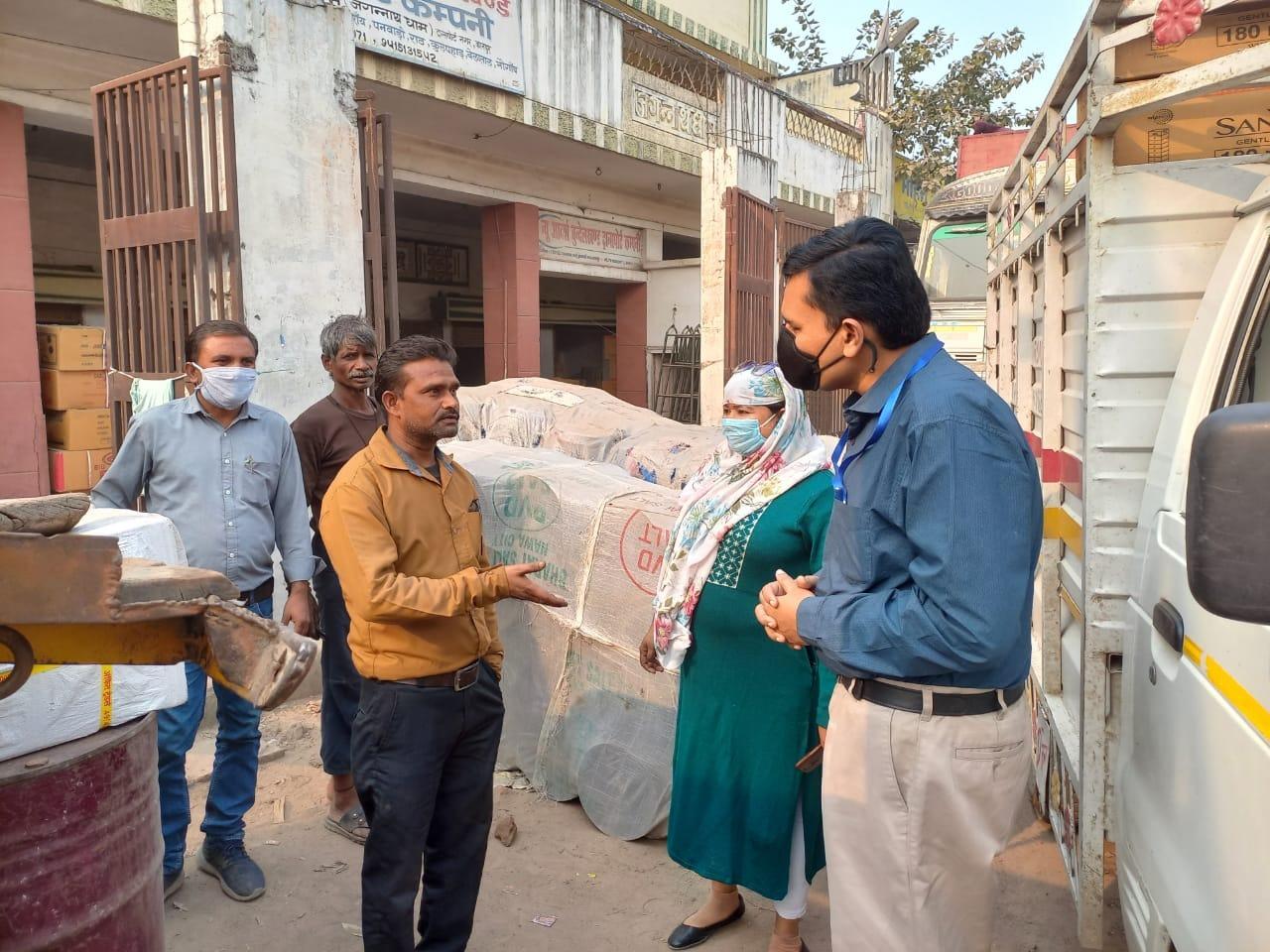
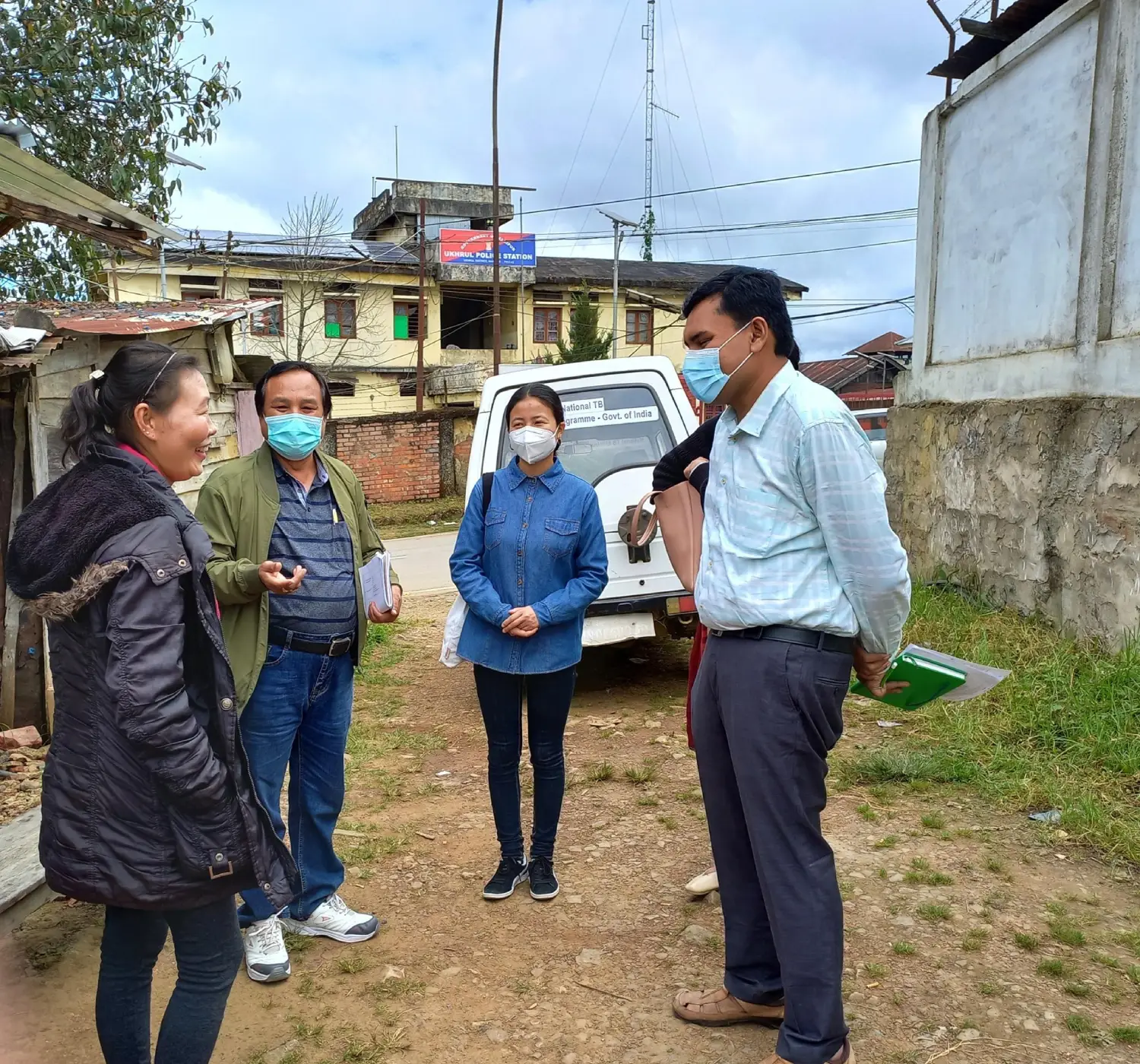
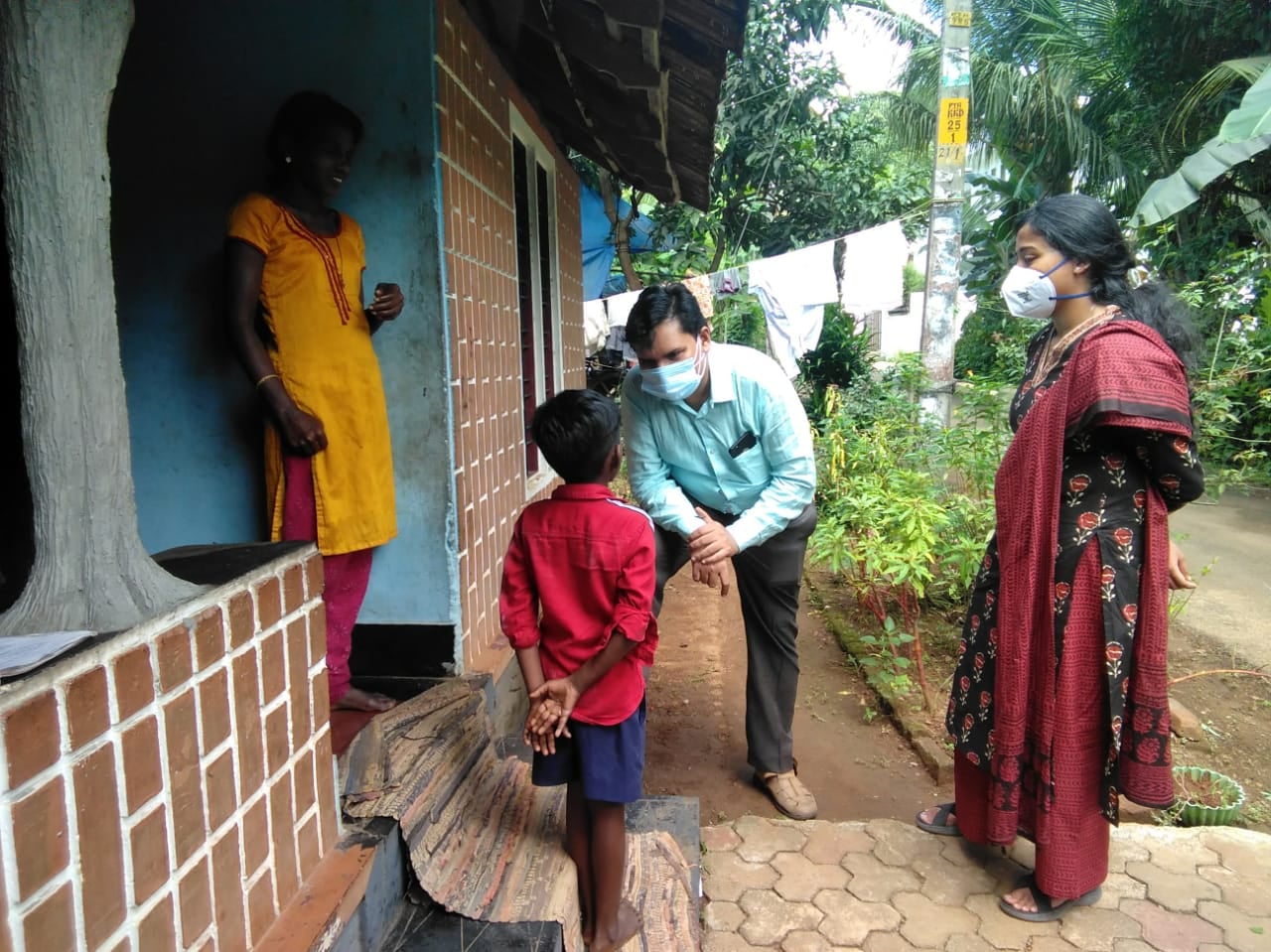
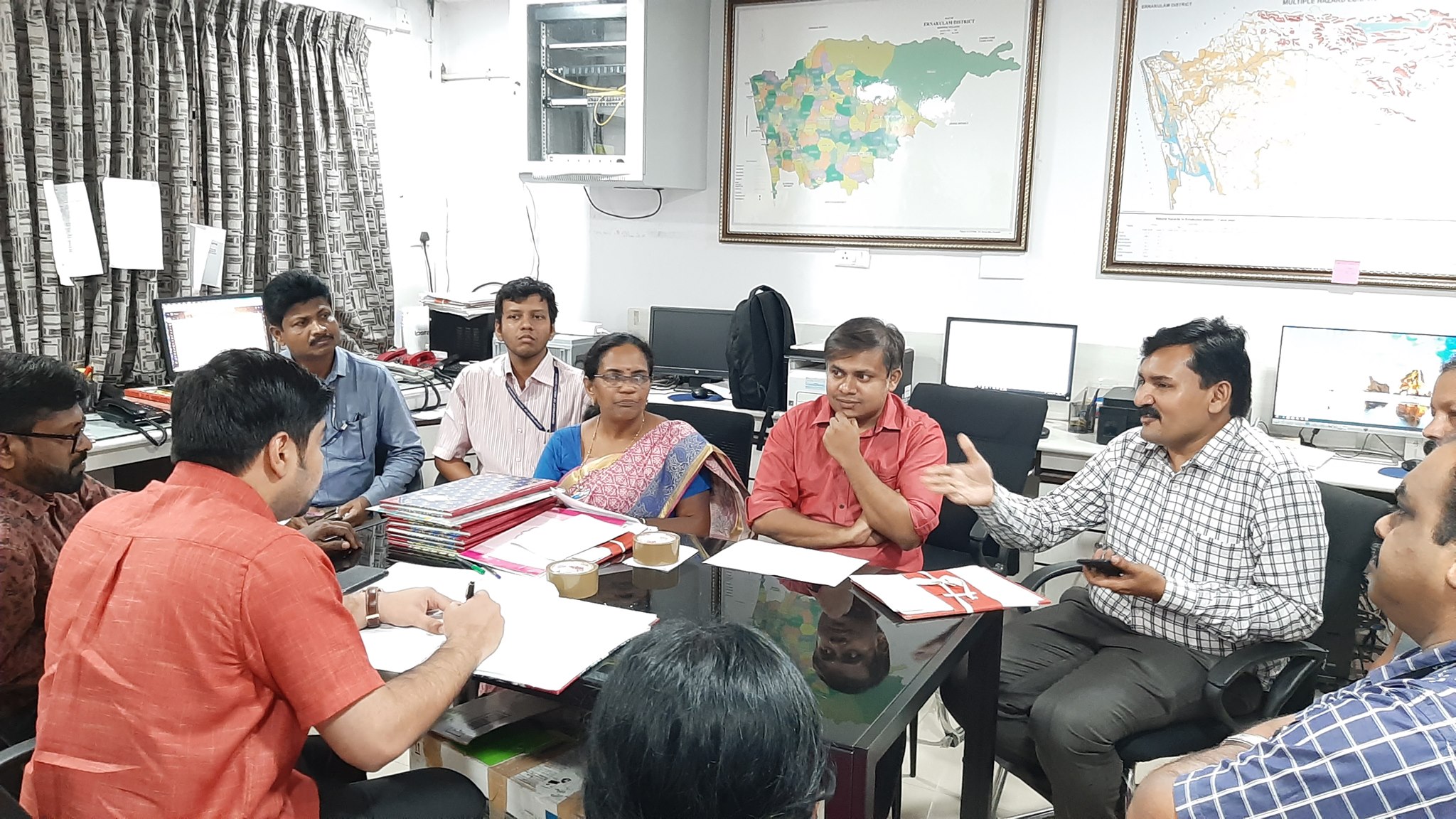
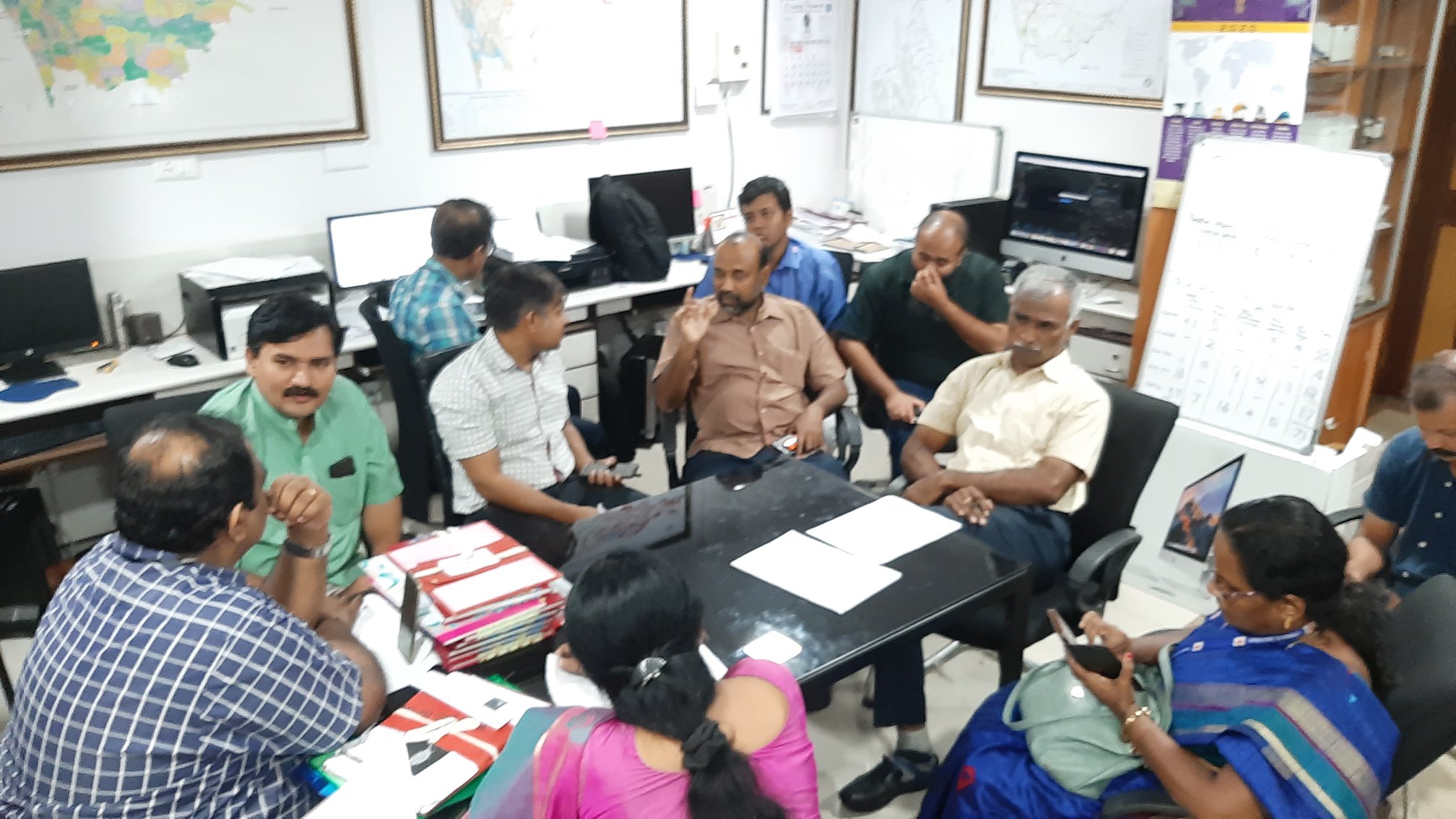
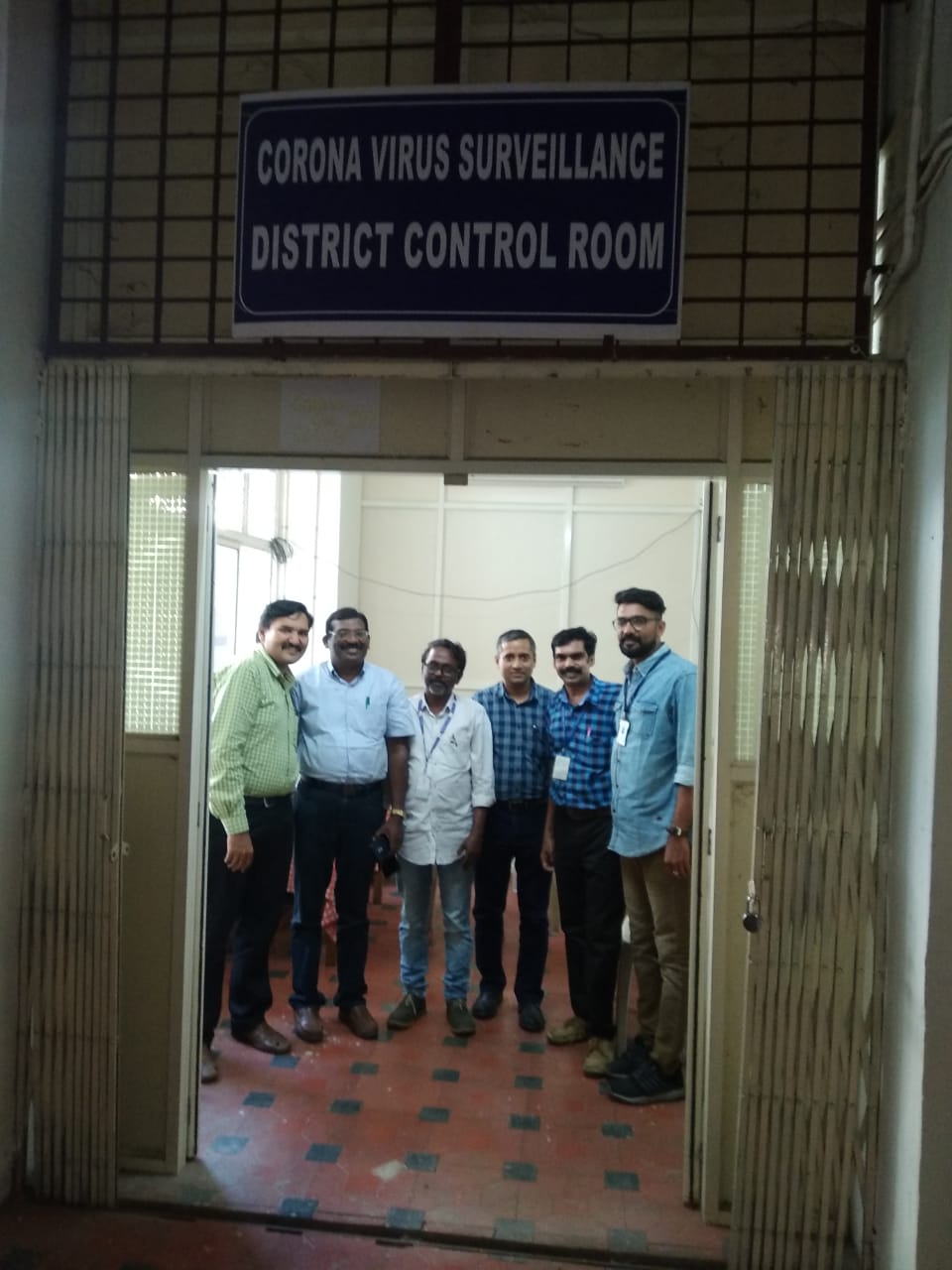
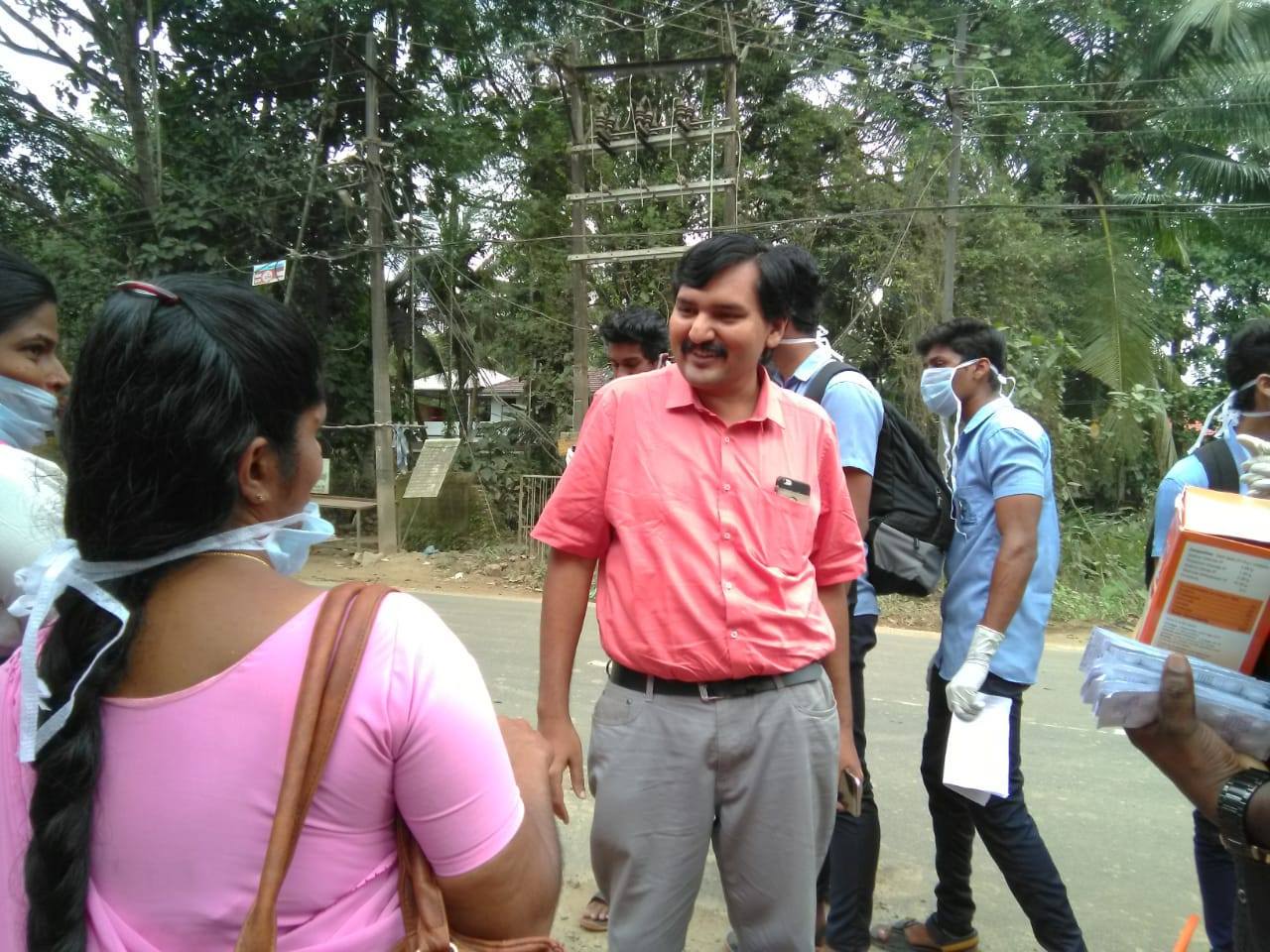
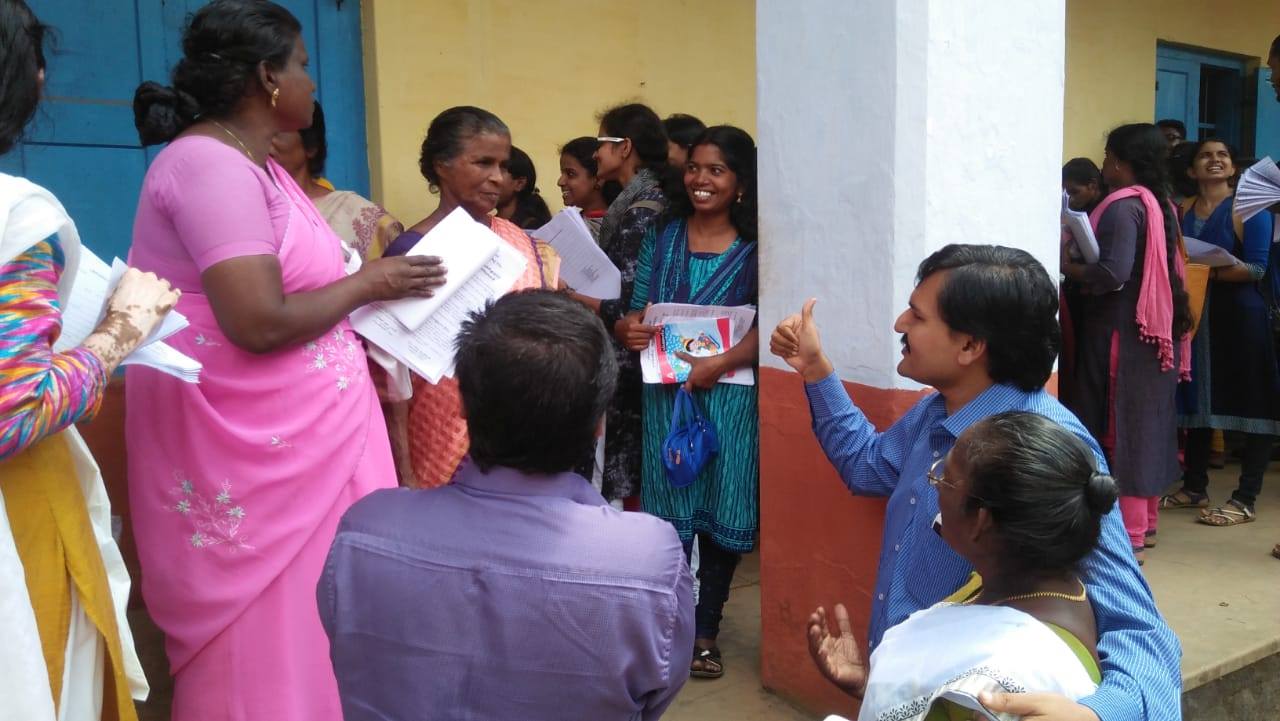
The true test of public health is not whether we understand problems. It is whether we solve them in ways that endure
Related Themes
- Field Epidemiology
- Outbreak Investigations
- Public Health Ethics
- Disease Surveillance
- Health Systems Governance
- Community Engagement
- Implementation Science
- Evidence-Informed Policy