Research & Academics

Research becomes meaningful only when it strengthens systems, informs policy, and improves the lived experience of communities. 

Research Philosophy

Dr. Rakesh PS is an implementation scientist, infectious disease epidemiologist, and health systems researcher whose work focuses on translating evidence into scalable, community-centered public health action.

His work lies at the intersection of implementation science, infectious disease epidemiology, operational research, health systems governance, and policy translation. Across more than a decade of research, a recurring theme has been understanding how public health systems function under real-world constraints—particularly in settings shaped by fragmented healthcare delivery, social vulnerability, implementation gaps, and resource limitations.

For Dr. Rakesh, research is not merely an academic exercise or a pathway to publications. He views research as a process that begins when health systems encounter unanswered questions, implementation barriers, or unexplained inequities affecting people and communities.

Publications, in his view, are often byproducts of a deeper process of inquiry, problem-solving, and systems transformation.

His work is frequently guided by practical questions

research-icon

Several implementation studies, operational research initiatives, and field investigations associated with his work have contributed to improvements in surveillance systems, accountability mechanisms, service delivery processes, community engagement models, public health policies, and standards of care.

group-chat

His approach to research therefore extends beyond academic dissemination. It includes policy advocacy, systems redesign, stakeholder engagement, workforce development, community participation, and continuous translation of evidence into public health practice.

clipboard-icon

For him, the true value of research lies not in citation metrics alone, but in whether it changes systems, influences practice, and improves the lives of people.

hand-shake

Much of his work has emerged through collaborative partnerships involving governments, academic institutions, healthcare providers, community organizations, and multidisciplinary research teams.

Research in Numbers

google-docs-icon

140+

Peer-reviewed publications

book-icon

100+

PubMed-indexed scientific papers

book-notes

24

h-index

visionary-leadership-icon

20+

International conference presentations

world-icon

17

Major International Grants mobilized

world-icon

Nearly USD 10 Million

Research and implementation funding mobilized through collaborative grant development efforts.

map-icon

Multiple Countries

Research, policy and implementation work across the South-East Asia Region

Research That Changed Practice

 Several research projects and implementation studies associated with Dr. Rakesh’s work have directly influenced public health practice, policy, and service delivery.

lungs-icon

Practical Approach to Lung Health (PAL)

Demonstrated reductions in irrational antibiotic use, unnecessary injections, and inappropriate prescriptions while improving quality of life and respiratory care practices. The model was later scaled across Kerala.

women-group-icon

Hypertension Control Through Women's Self-Help Groups

A cluster-randomized implementation trial in urban slums demonstrated that community-owned peer support mechanisms could significantly improve blood pressure control, providing evidence for decentralized chronic disease management.

step-icon

STEPS

Operational research and implementation evidence contributed to the development and scale-up of one of the private-led sustainable public-private partnership models for tuberculosis elimination.

clipboard-icon

Vulnerability-Based Active Screening

Research informed risk-based approaches to tuberculosis case finding and resource allocation in vulnerable populations.

government-icon

Local Government Stewardship

Generated evidence supporting the role of local governments in disease elimination efforts and decentralized accountability mechanisms.

world-icon

Urban End TB

Demonstrated the feasibility of combining AI-enabled handheld digital X-ray systems, molecular diagnostics, and community outreach to conduct large-scale active tuberculosis screening in underserved urban populations. The initiative generated implementation lessons for technology-enabled community wide systematic screening programs.

google-docs-icon

Epidemic Disease Act

Through scholarly publications, policy analyses, and public commentary, Dr. Rakesh contributed to national discussions on modernizing India's public health legislation. His work highlighted the need for stronger legal frameworks that balance emergency response powers with human rights protections, accountability, decentralized governance, and evidence-based public health action.


Visiting Scientist at Harvard T.H. Chan School of Public Health, exploring how implementation science can strengthen health systems and improve population outcomes

Mentorship & Academic Engagement

As Visiting Scientist at Harvard T.H. Chan School of Public Health and through multiple regional academic collaborations, Dr. Rakesh continues mentoring early-career researchers, implementation scientists, public health practitioners, and PhD scholars.

His mentorship approach emphasizes interdisciplinary thinking, implementation relevance, ethical public health practice, systems-oriented problem solving, and translating evidence into meaningful population-level impact.

Many of those he has mentored now contribute to academia, public health programs, implementation research, and health policy across India and the globe.

Major Research Domains

Implementation Science & Health Systems Transformation

A major focus of Dr. Rakesh’s work has been implementation science — understanding how evidence-based interventions can be adapted, scaled, and sustained within real-world health systems.

His work has explored how culturally appropriate, community-owned, and operationally feasible interventions can improve public health outcomes across communicable and non-communicable diseases.

Several implementation models and systems approach he co-developed later informed larger public health frameworks at state, national, and regional levels.

Key implementation initiatives associated with his work include hypertension control in urban slums, vulnerability-based active tuberculosis screening, local government stewardship models, integrated lung health approaches, modernization of training systems, and community-wide systematic screening initiatives.

His implementation research has consistently emphasized decentralization, accountability, integration of services, and strengthening partnerships between communities, governments, private healthcare systems, and civil society.

Tuberculosis Elimination

Building the capacity of community volunteers (ASHA) under the Lakshadweep TB Elimination Mission, supporting community-led, population-wide systematic tuberculosis screening.

Tuberculosis elimination has been one of the major areas of Dr. Rakesh’s research, implementation, and policy engagement.

His work has focused on understanding how evidence-based interventions can be adapted and scaled within high-burden settings through stronger surveillance systems, decentralized planning, community participation, public–private partnerships, and accountability mechanisms.

As part of the WHO-supported National Tuberculosis Elimination Programme Technical Support Network, he contributed to tuberculosis elimination efforts in Kerala and Lakshadweep and supported the development, implementation, and evaluation of several innovative approaches including local government stewardship models, vulnerability-based active screening strategies, and community-led accountability mechanisms.

His research interests in this area have also included tuberculosis mortality reduction, anti-microbial stewardship, integration of services, treatment support systems, health systems resilience, and implementation science approaches to disease elimination.

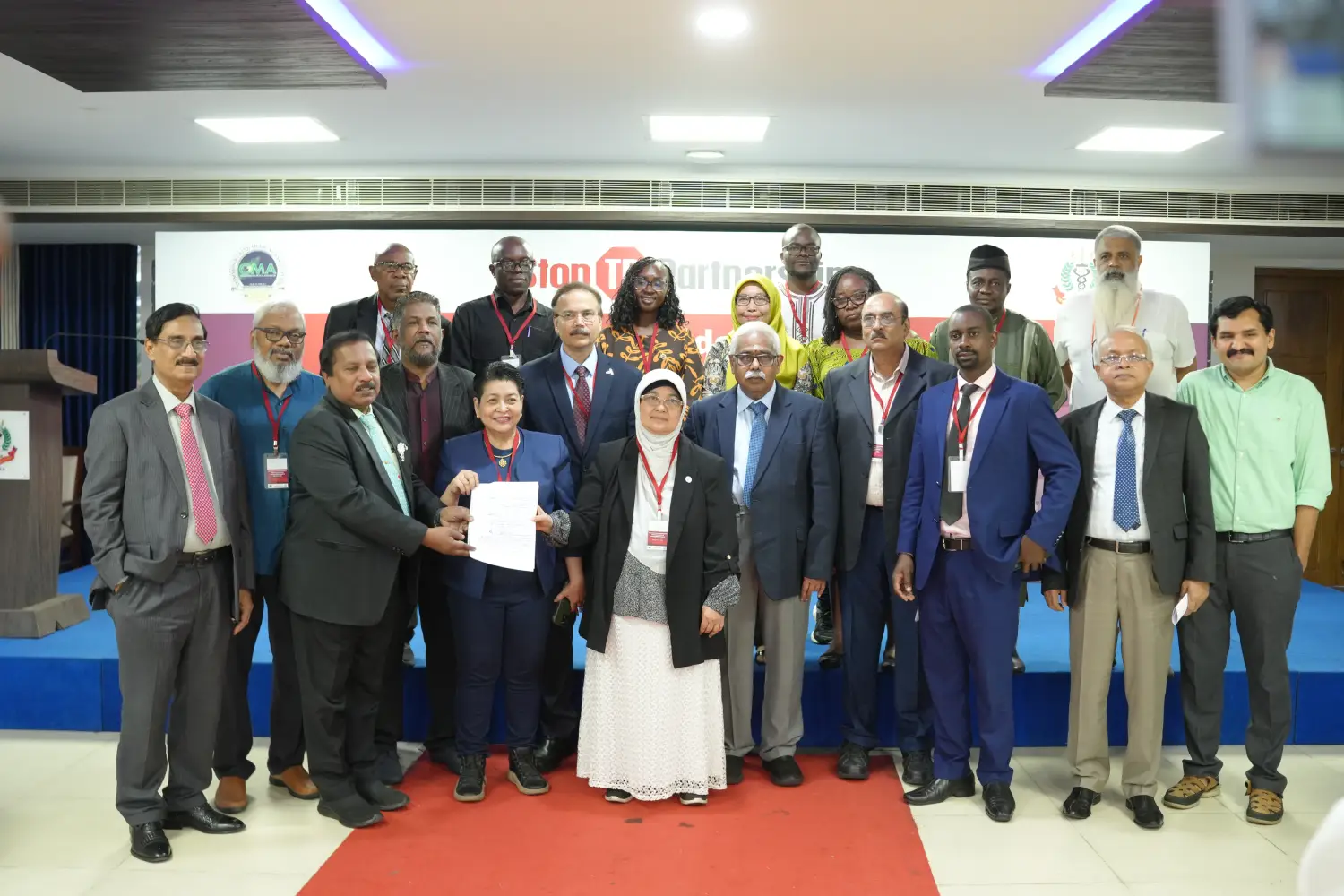
Global professional associations endorsing the Kochi Declaration, recognizing STEPS as a scalable model for strengthening tuberculosis care through public–private collaboration.

Public–Private Partnerships & Systems Innovation

Dr. Rakesh co-conceived and technically supported STEPS (System for TB Elimination by Private Sector), a collaborative implementation model that later expanded across multiple Indian states and was adopted by several leading hospital networks including Fortis, Yashoda Hospitals, Amrita Hospitals, Aster, and Narayana Health.

The model was later endorsed through the Kochi Declaration in a call to action by professional medical associations from 12 countries.

His scholarly work in this domain has included systematic reviews and operational research on facilitators and barriers related to private-sector engagement, pharmacy engagement models, standards of care, and implementation pathways for collaborative tuberculosis care.

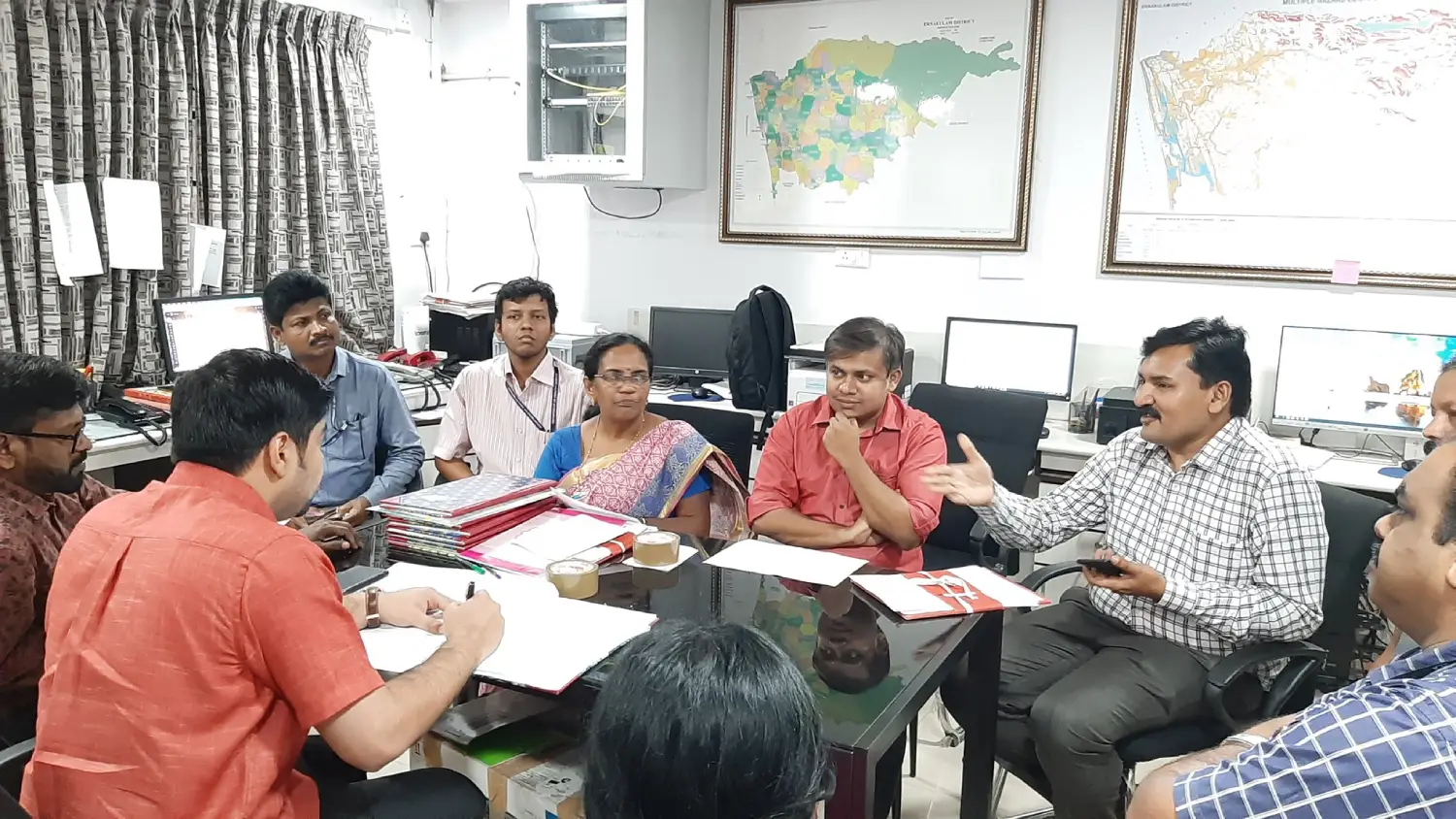
Supporting district administration and public health authorities in outbreak response, surveillance strengthening, and evidence-based decision-making during public health emergencies

Infectious Disease Epidemiology & Public Health Emergencies

Dr. Rakesh’s academic foundations were shaped by field epidemiology and outbreak investigations. As District Epidemiologist under the National Health Mission, he investigated and helped contain more than twenty infectious disease outbreaks, including hepatitis A, dengue, malaria, and hepatitis B.

These experiences provided important insights into how health systems respond to emerging threats, implementation gaps, environmental risks, and social determinants of disease. Several outbreak investigations and epidemiological analyses associated with his work later informed public health action, surveillance strengthening, regulatory interventions, and workforce training.

His expertise was subsequently utilized during major public health emergencies including hepatitis A outbreaks, the Kerala floods of 2018, the Nipah outbreak, and the COVID-19 pandemic, where he contributed to surveillance, coordination, continuity of essential services, and integrated public health response mechanisms.

Community-Based Non-Communicable Disease Research

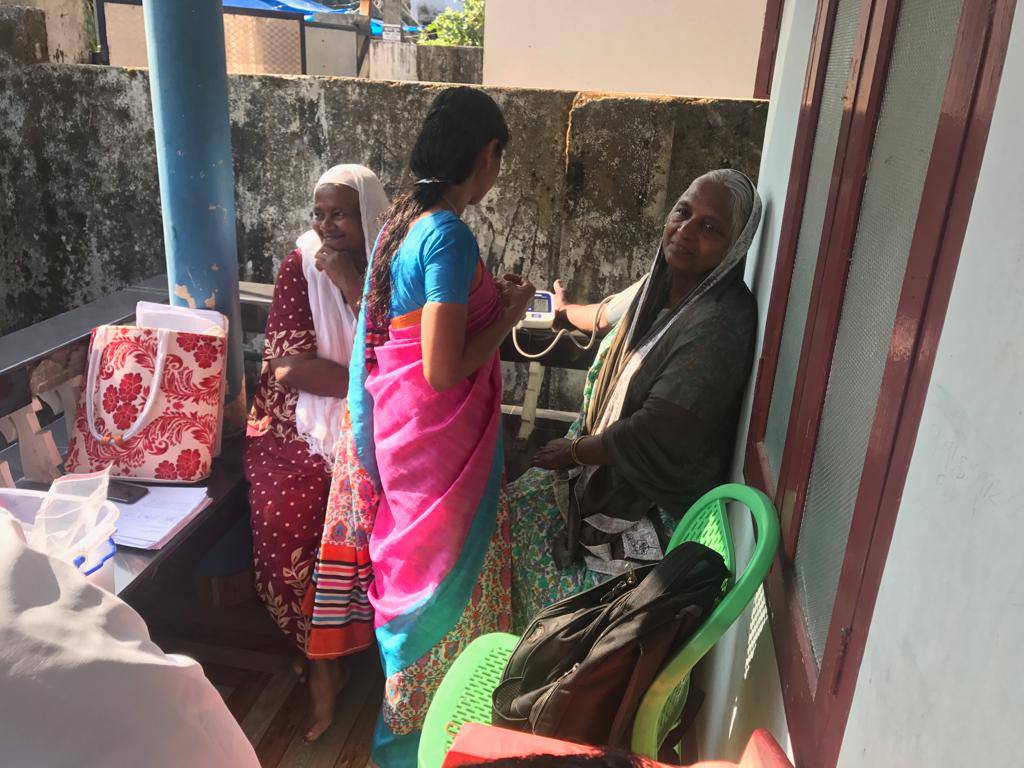
Leading community-based implementation research demonstrating how women's self-help groups can improve hypertension control in underserved urban communities.

As Bernard Lown Scholar and Visiting Scientist at Harvard T.H. Chan School of Public Health, Dr. Rakesh worked on implementation research focused on cardiovascular health and community-centered interventions.

He led a cluster randomized implementation trial in the urban slums of Kochi that explored peer-group interventions through women self-help groups for hypertension control. The study demonstrated meaningful reductions in systolic blood pressure among individuals with hypertension, highlighting the effectiveness of culturally embedded and community-owned health interventions.

His broader work in this area reflected interests in implementation science, social determinants of health, community participation, and decentralized approaches to chronic disease prevention.

Maternal & Child Health

Dr. Rakesh’s early research interests also included maternal and child health, particularly anemia, nutritional deficiencies, and preventable childhood health risks.

He has investigated causes of neonatal and perinatal mortality in tribal and urban settings and contributed to public health initiatives focused on improving child survival outcomes.

He has additionally worked with the Indian Academy of Pediatrics in supporting strategies aimed at accelerating reduction of under-five mortality across India, particularly through interventions focused on aspirational districts and vulnerable populations.

Urban Health & Migrant Health

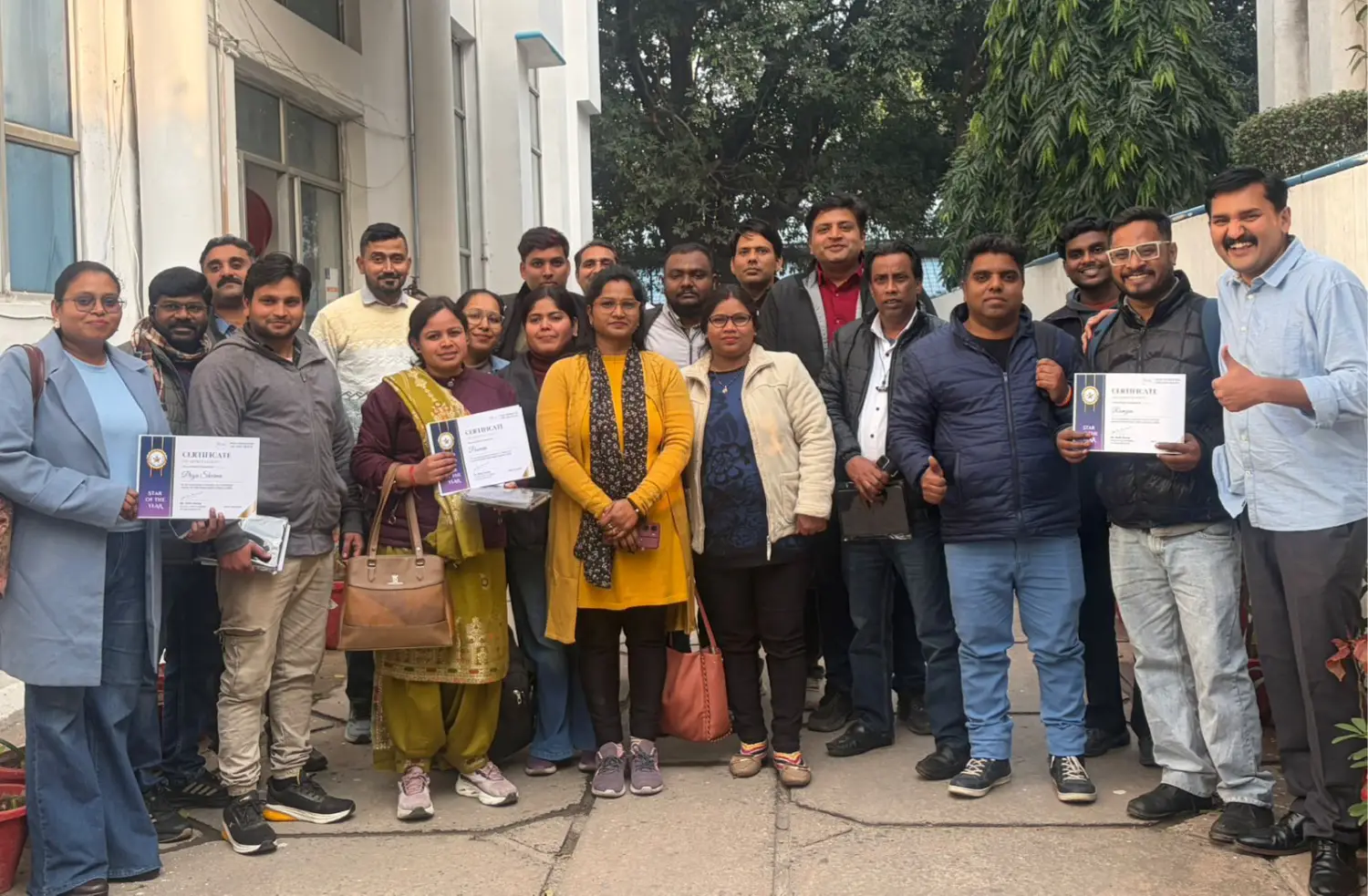
Working with frontline field officers leading community-wide active tuberculosis screening in urban slums of Delhi, generating implementation lessons for technology-enabled, people-centered disease control programmes

At The Union South-East Asia Office, Dr. Rakesh contributed to several large-scale implementation initiatives focused on urban health and decentralized disease screening.

One of the major initiatives was the Urban End TB project implemented in Delhi and Hyderabad, which utilized AI-enabled ultra-portable handheld X-ray systems and low-cost molecular diagnostics to conduct community-wide tuberculosis screening in densely populated urban slums.

The initiative demonstrated the feasibility of combining digital technologies, decentralized diagnostics, and community outreach for large-scale active case finding in underserved populations.

He has also studied health issues affecting migrant populations and explored community-centered approaches for improving welfare, access to care, and continuity of health services among vulnerable urban communities.

Policy, Strategy & Technical Guidance

Beyond implementation research, Dr. Rakesh has contributed extensively to policy translation, technical guidance development, and strategic planning.

His contributions include WHO policy briefs on integration of tuberculosis and lung health services, strategic roadmaps for tuberculosis elimination in South-East Asia, national technical guidance on public–private partnerships, community engagement frameworks, integrating palliative care and pulmonary rehabilitation for TB and workplace wellness initiatives.

He has also contributed to tuberculosis vaccine readiness assessments across countries in the WHO South-East Asia Region, evaluating health system preparedness, implementation pathways, and delivery platforms for future vaccine introduction.

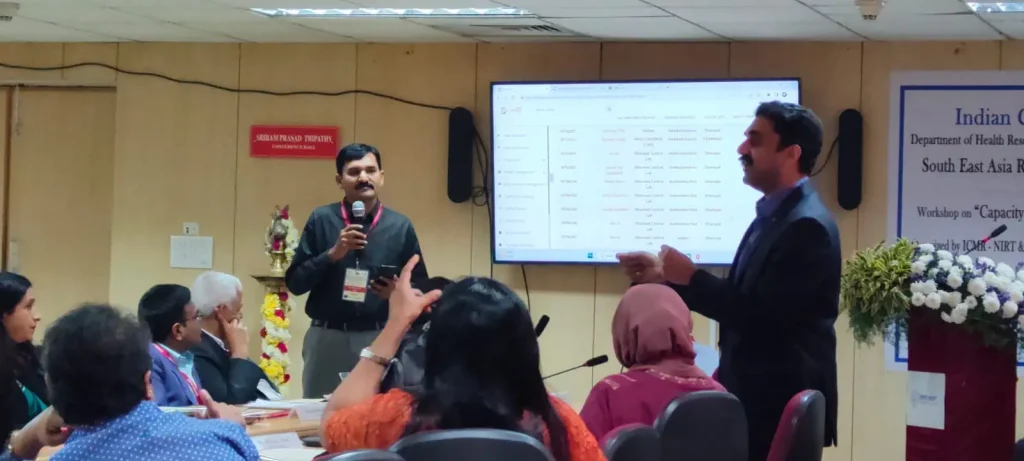
Faculty for the ICMR South-East Asia Regional Workshop on Operational Research and Protocol Development, mentoring researchers and strengthening implementation science capacity

Global & Regional Research Engagement

Dr. Rakesh’s work has extended across multiple countries in the WHO South-East Asia Region including India, Nepal, Sri Lanka, Bangladesh, Bhutan, and Indonesia.

He has co-conducted tuberculosis situation analyses, implementation reviews, operational research initiatives, and strategic planning exercises contributing to regional policy dialogue and systems strengthening efforts.

He has additionally served as Member of the ICMR Expert Committee for TB Innovation Review, Member of the Joint Monitoring Mission for India’s National Tuberculosis Elimination Programme, Faculty and Mentor for ICMR South-East Asia Regional Research Workshops, and Working Group Member on TB among Migrants and Indigenous Populations.

His work has involved collaborations with governments, academic institutions, multilateral agencies, donor organizations, civil society groups, and healthcare systems across the region.

Publications & Scholarly Contributions

Dr. Rakesh has authored more than 140 peer-reviewed publications, including over 100 PubMed-indexed papers, with substantial contributions as first and corresponding author.

His scholarly work spans implementation science, tuberculosis elimination, outbreak epidemiology, operational research, health systems strengthening, antimicrobial stewardship, surveillance systems, non-communicable diseases, migrant health, public health ethics, disaster preparedness, community participation, and research-to-policy translation.

He has also edited a major research topic on Gender and Non-Communicable Diseases for Frontiers in Public Health, coordinating multiple international publications contributing to global scholarly discourse.

His work has appeared in journals including: BMJ Global Health, International Journal for Equity in Health, Global Health: Science and Practice, PLOS ONE, Frontiers in Public Health, BMC Health Services Research, International Journal of TB and Lung Diseases, Lancet Regional Health, Tropical Medicine and Infectious Disease, Indian Journal of Medical Research. His publications have contributed to discussions on implementation science, public–private partnerships, tuberculosis elimination, health systems resilience, antimicrobial stewardship, community engagement, and translating evidence into policy and practice.

Dr. Rakesh has presented research findings and implementation experiences at international scientific conferences, policy forums, and technical workshops focused on tuberculosis elimination, implementation science, health systems strengthening, and infectious disease control.

Selected Publications

Selected publications highlighting contributions to implementation science, tuberculosis elimination, infectious disease epidemiology, health systems strengthening, community health, and public health policy.

01 Effectiveness of a community-based education and peer support programme led by women's self-help groups in improving control of hypertension in urban slums of Kerala, India: A cluster randomized controlled pragmatic trial

BMJ Global Health. 2022;7:e010296.
DOI: https://doi.org/10.1136/bmjgh-2022-010296

Why it matters: This cluster randomized controlled trial demonstrated that community-led peer support delivered through women’s self-help groups significantly improved blood pressure control among people living with hypertension in urban slums. The study highlighted the potential of culturally embedded, community-owned interventions for addressing non-communicable diseases in resource-constrained settings.

02 STEPS – A Patient-Centric and Low-Cost Solution to Ensure Standards of TB Care for Patients Reaching the Private Sector in India

BMC Health Services Research. 2022;22:2.
DOI: https://doi.org/10.1186/s12913-021-07342-y

Why it matters: This study evaluated STEPS (System for TB Elimination in Private Sector), an innovative public–private partnership model developed to improve the quality of tuberculosis care in private hospitals. The evaluation demonstrated that the model was acceptable to patients, providers, and programme managers, improved adherence to standards of TB care, strengthened disease surveillance, and achieved high treatment success rates at relatively low cost. The findings provided evidence for scaling the model to other settings and highlighted how collaborative approaches can bridge gaps between public health systems and private healthcare providers.

03 Local Government Stewardship for Tuberculosis Elimination in Kerala, India

Public Health Action. 2023;13(Suppl 1).
DOI: https://doi.org/10.5588/pha.22.0037

Why it matters: This paper documented Kerala’s experience of implementing tuberculosis elimination as a “People’s Movement Against TB” under the stewardship of local self-governments. The study demonstrated how decentralized leadership enabled locally tailored solutions, improved support for vulnerable populations, strengthened community ownership, reduced stigma, and addressed social determinants of health. The findings highlighted the potential of local governance systems to accelerate disease elimination through community participation, accountability, and multisectoral action.

04 Ensuring Universal Access to Quality Care for Persons with Presumed Tuberculosis Reaching the Private Sector: Lessons from Kerala

International Journal for Equity in Health. 2024;23:101.
DOI: https://doi.org/10.1186/s12939-024-02151-1

Why it matters: This case study examined how Kerala strengthened partnerships between public health systems and private healthcare providers to improve access to quality tuberculosis care. The study identified key lessons for achieving universal health coverage in mixed health systems, including the importance of patient-centered partnerships, good governance, data-driven decision-making, stakeholder dialogue, and evidence-informed programme design. The findings offer practical insights for countries seeking to engage the private sector while protecting public health interests and promoting equitable access to care.

05 Individuals' Vulnerability-Based Active Surveillance for Tuberculosis: Experiences from India

Tropical Medicine and Infectious Disease. 2022;7(12):441.
DOI: https://doi.org/10.3390/tropicalmed7120441

Why it matters: This paper described the development and implementation of an innovative vulnerability-based approach to active tuberculosis surveillance in Kerala. Instead of screening entire populations, the strategy used individual risk profiles to identify people most likely to benefit from screening. The approach substantially improved programme efficiency and diagnostic yield, demonstrating how data-driven targeting can optimize resource use while strengthening disease detection and prevention efforts in low-burden settings.

06 Facilitators and Barriers for Private Health Sector Engagement for TB Care in India: A Systematic Review and Meta-Synthesis of Qualitative Research

Global Health: Science and Practice. 2024;12(4).
DOI: https://doi.org/10.9745/GHSP-D-24-00034

Why it matters: This systematic review synthesized evidence from qualitative studies across India to understand why private-sector engagement in tuberculosis care remains challenging despite national policy efforts. The study identified key barriers including coordination gaps, concerns regarding patient confidentiality, and limited programmatic support, while highlighting the importance of trust, recognition, partnership, and shared ownership. The findings provide practical recommendations for strengthening public–private partnerships and improving the quality and reach of tuberculosis services in high-burden settings.

07 What Was Right About Kerala's Response to the COVID-19 Pandemic?

BMJ Global Health. 2020;5(7).
DOI: https://doi.org/10.1136/bmjgh-2020-003212

Why it matters: This paper examined the factors that contributed to Kerala’s early success in managing the COVID-19 pandemic. It highlighted the importance of strong disease surveillance, effective quarantine systems, community participation, continuity of essential health services, proactive protection of vulnerable populations, and coordinated political and administrative leadership. The paper contributed to international discussions on how health systems can respond effectively to public health emergencies while maintaining public trust and social cohesion.

08 Investigating a Community-Wide Outbreak of Hepatitis A in India

Journal of Global Infectious Diseases. 2014;6(2):59–64.
DOI: 10.4103/0974-777X.132040

Why it matters: This outbreak investigation examined a community-wide hepatitis A outbreak in Kerala and identified contaminated drinking water as the source of transmission. Combining epidemiological analysis, environmental assessment, laboratory investigation, and a case-control study, the research demonstrated how field epidemiology can rapidly identify the causes of outbreaks and guide public health action. The findings highlighted the importance of water quality surveillance and preventive public health systems in protecting communities from infectious disease threats.

09 Implementing the Epidemic Diseases Act to Combat COVID-19 in India: An Ethical Analysis

Indian Journal of Medical Ethics. 2021;VI(1):1–10.
DOI: https://doi.org/10.20529/IJME.2020.129

Why it matters: This paper critically examined the ethical and public health implications of implementing India’s Epidemic Diseases Act of 1897 during the COVID-19 pandemic. It highlighted the limitations of relying on a colonial-era legal framework that emphasized enforcement without adequate attention to human rights, accountability, community participation, and evidence-based public health action. The paper contributed to broader discussions on the need for modern, rights-based public health legislation capable of responding effectively to contemporary health emergencies
10 Tuberculosis Preventive Treatment in Eight South-East Asia Region Countries: Current Practices, Implementation Challenges and Operations Research Priorities

Public Health in Practice. 2024;8:100518.
DOI: https://doi.org/10.1016/j.puhip.2024.100518

Why it matters: This multi-country study brought together experiences from eight countries in the WHO South-East Asia Region to examine the implementation of tuberculosis preventive treatment programmes. The paper identified common operational challenges, health system barriers, and research priorities, while highlighting opportunities for cross-country learning and regional collaboration. The findings informed discussions on strengthening preventive approaches as part of broader tuberculosis elimination efforts across the region.

Research, Practice, and People

Throughout his career, Dr. Rakesh has viewed research, implementation, and policy not as separate activities but as interconnected parts of the same process.

His work continues to explore how these elements can come together to strengthen health systems, improve population wellbeing, and advance equitable access to health services.

Dr. Rakesh PS

Over the past 15 years, Dr. Rakesh has worked with governments, global institutions, academic organizations, and community systems across India and South-East Asia in the areas of tuberculosis elimination, infectious disease control, health systems strengthening, implementation science, and research-to-policy translation.

Copyright © 2026 Dr. Rakesh PS. All professional photographs on this website are licensed under Creative Commons Attribution 4.0 International (CC BY 4.0)